

In the fast-moving world of global trade, the reputation of a supplier often begins long before a buyer opens the first bag. Packaging speaks volumes. It tells the story of precision, safety, and reliability — qualities that define the UAE suppliers of basic industrial chemicals.
Across Dubai’s free zones and Abu Dhabi’s logistics hubs, warehouses are filled with materials that power industries around the world — Sulphur Granules (99.8%), Urea Granules N46 (99%), Pure Methanol (99.5%), Hydrogen Peroxide (35%), and Calcium Carbonate (98%), to name a few. Yet what truly ensures these chemicals reach their destinations safely and in perfect condition isn’t just their composition; it’s the quality of the packaging that carries them.
The Identity Behind Every Package
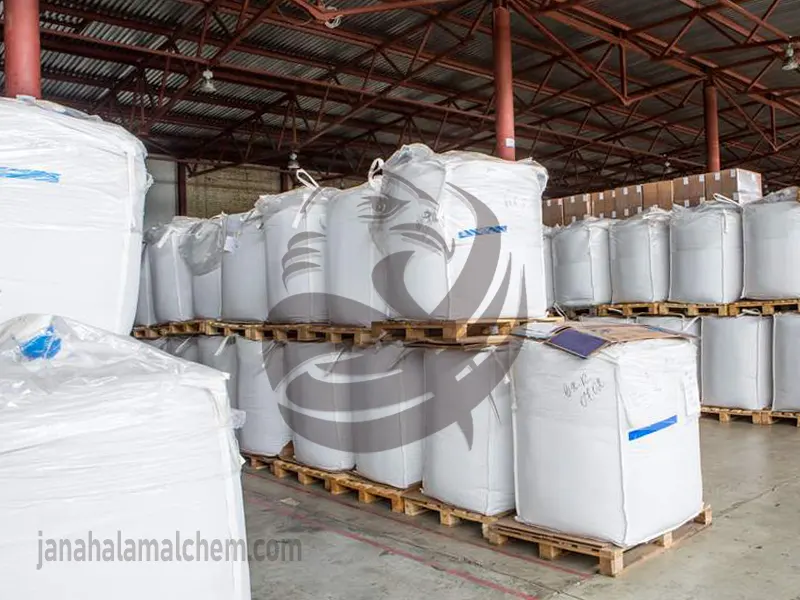
Each packaged product carries the image of the supplier. When a buyer receives a clean, well-sealed container of sulphur or methanol, with legible labels and strong branding, it immediately inspires trust. The visual impression of neatness and consistency becomes a reflection of how the company conducts all its operations.
Professional UAE suppliers treat packaging as part of their identity. Whether it’s a jumbo bag of Copper Sulphate (99.5%) or a carefully capped drum of Hydrogen Peroxide (35%), every shipment communicates care. A supplier’s logo printed on sturdy, dust-free packaging often travels thousands of kilometers, silently advertising reliability and discipline.
Choosing the Right Packaging Materials
Every chemical has its own nature, and packaging must respect that.
Dry materials such as Prilled Calcium Chloride (94%) and Sodium Bicarbonate (99.5%) need strong, moisture-resistant bags with inner polyethylene liners that keep humidity out.
Crystalline or powdered products are typically filled into multi-layer composite bags or laminated woven sacks to prevent clumping and leakage.
On the other hand, liquid and reactive products like Pure Ethanol (99.6%) and Phosphoric Acid (85%) require corrosion-resistant HDPE drums or IBC tanks. These containers withstand long storage periods and international transit without compromising the chemical’s purity.
For UAE suppliers, choosing the right material is about more than compliance — it’s about protecting the buyer’s investment and the company’s reputation.
Safety and Compatibility
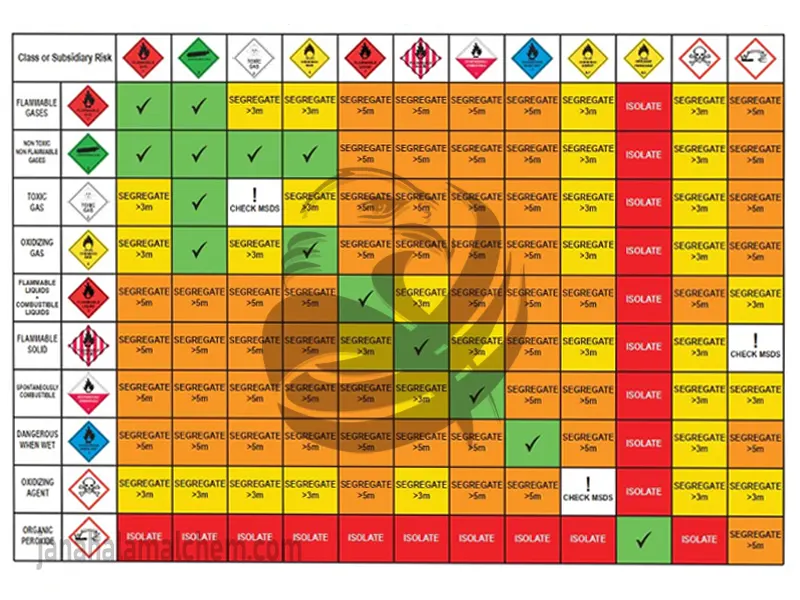
Packaging safety is a discipline of its own. Each product must be matched with materials that will not react, leak, or degrade. A small error can create large problems. That’s why the UAE suppliers of basic industrial chemicals rely on compatibility charts, strict warehouse rules, and routine testing.
Flammable liquids like Acetone Industrial Grade are stored separately from oxidizing agents such as Hydrogen Peroxide. Non-reactive powders like Calcium Carbonate are kept in cooler, dust-controlled zones. Clear labeling with GHS hazard symbols ensures safe handling for both warehouse staff and shipping partners.
This disciplined approach to safety builds the confidence that keeps global buyers coming back.
The Art of Sealing
A perfect seal is the silent signature of a responsible exporter.
From heat-sealed seams on urea bags to tamper-evident closures on methanol drums, sealing techniques determine how well a product survives its journey.
UAE warehouses often test sample packages under vibration and temperature changes before approving them for export.
When a buyer opens a drum of Glacial Acetic Acid (≥99.5%) or cuts into a pallet of Soda Ash Dense (99%), Soda Ash Light (99.2%) and finds everything exactly as described — dry, clean, and intact — that satisfaction comes from a small but powerful detail: a flawless seal.
Labeling That Builds Confidence
Labels are the first conversation between supplier and buyer. They carry essential details — product name, purity, batch number, handling instructions, and country of origin. Many UAE exporters now add QR codes or barcodes so that buyers can instantly access safety data sheets or test certificates.
For instance, a label on Pure Methanol (99.5%) might include storage temperature advice and emergency handling notes, while Urea Granules N46 (99%) packaging may feature fertilizer-grade specifications. Clear labeling reduces confusion, speeds up customs clearance, and projects an image of transparency and accountability.
Handling and Stacking with Care
Even the best packaging can fail if mishandled. Proper stacking, palletizing, and shrink-wrapping are essential steps in preserving product integrity.
Bags of Sulphur Granules or Sodium Bicarbonate are stacked on pallets with edge protectors to prevent tearing.
Drums of Sodium Silicate Liquid or Phosphoric Acid are kept upright, spaced for ventilation, and secured with straps.
Well-trained warehouse teams in the UAE follow strict loading plans to maintain weight balance inside containers. This level of organization ensures that when the shipment arrives at its destination, everything looks professional and ready for use.

Adapting to Climate and Transit Conditions
UAE’s hot and humid environment demands special packaging strategies. Warehouses use climate-controlled zones, insulated roofing, and dehumidifiers to protect sensitive materials.
For sea shipments, desiccant bags and moisture-barrier liners are placed inside containers to absorb humidity, while reflective covers protect the packaging from direct heat.
These techniques keep Urea Granules from caking, Sulphur Granules from oxidizing, and Methanol from evaporating — ensuring consistent quality even after long voyages.
Sustainability and Modern Packaging Trends
Today’s buyers expect environmental responsibility alongside product quality. UAE exporters are stepping up by adopting recyclable packaging materials, reusable jumbo bags, and lightweight drums that reduce shipping emissions.
For example, many suppliers now use recyclable composite bags for Calcium Carbonate and Sulphur Granules, while liquid products like Hydrogen Peroxide are shipped in returnable HDPE drums.
These initiatives not only meet international regulations but also strengthen long-term partnerships with eco-conscious clients.
Quality Checks Before Export
Before the shipment leaves the warehouse, every pallet and container undergoes a final inspection. Teams check labeling accuracy, sealing strength, and pallet stability.
Some exporters photograph each shipment and send images to buyers for verification — a simple gesture that builds lasting trust.
By the time the products reach ports in Asia, Africa, or Europe, buyers can trace the handling process from start to finish, confident that their chemicals were packaged with precision.
Communication: The Human Touch
Beyond packaging, effective communication makes the process complete. Supplying detailed handling guides for Methanol, safety notes for Hydrogen Peroxide, or storage advice for Urea Granules ensures that the buyer can maintain the same level of quality after arrival.
This proactive approach — combining packaging expertise with open communication — transforms transactions into partnerships.
Conclusion
Every sealed bag, drum, and pallet shipped by the UAE suppliers of basic industrial chemicals represents more than a product; it represents dedication, planning, and pride. Whether it’s Caustic Soda Flakes (99%), Caustic Soda Liquid (50%), Sodium Metasilicate 5H, Sodium Sulfide Flakes, or Sodium Sulphate (95%), the secret behind their successful export lies in packaging that protects, impresses, and sustains.
In the global chemical trade, packaging is not an afterthought — it’s the first language of professionalism.
UAE suppliers understand that when packaging reflects precision and care, it doesn’t just carry chemicals — it carries the reputation of a nation built on quality and trust.