

Introduction
Industrial chemicals are the backbone of modern manufacturing. From pharmaceuticals and plastics to construction materials and cleaning agents, these substances are vital to countless industries. However, with their widespread use comes an undeniable responsibility: ensuring safety and compliance in every phase of handling and usage. This article explores best practices for managing industrial chemicals safely and staying compliant with international and regional regulations.
Understanding Industrial Chemicals
Industrial chemicals refer to substances used in industrial processes to produce goods. These may include:
- Solvents (e.g., acetone, toluene)
- Salts and minerals (e.g., sodium carbonate, calcium chloride)
- Resins and polymers
- Acids and bases
- Oxidizers and flammable agents
While essential to many processes, these chemicals can pose serious risks if mismanaged—including toxic exposure, fires, environmental damage, and legal penalties.
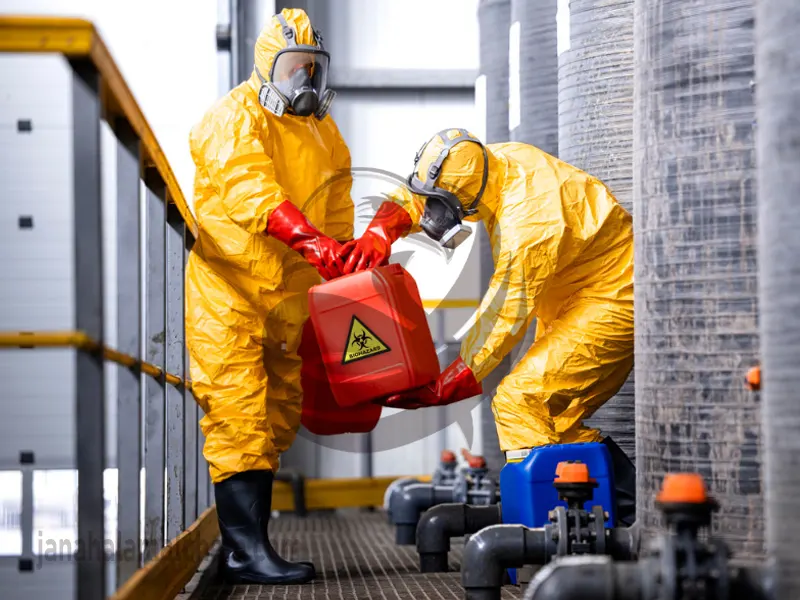
Why Safety and Compliance Matter
1. Protecting Workers and Communities
Health and safety are the most immediate concerns. Exposure to certain industrial chemicals can cause skin burns, respiratory issues, or long-term illnesses. Strict handling protocols and safety measures protect workers, nearby communities, and the environment.
2. Legal and Regulatory Requirements
Most countries enforce stringent laws governing the storage, transport, and disposal of industrial chemicals. Non-compliance can lead to:
- Heavy fines
- License suspension
- Legal action
- Damage to reputation
By adhering to regulations, companies can operate responsibly and avoid costly disruptions.
Key Safety Practices for Industrial Chemical Handling
1. Proper Storage and Labeling
Correct storage is the first step to ensure chemical safety. Always follow these standards:
- Store chemicals in designated, ventilated areas.
- Use corrosion-resistant containers and shelving.
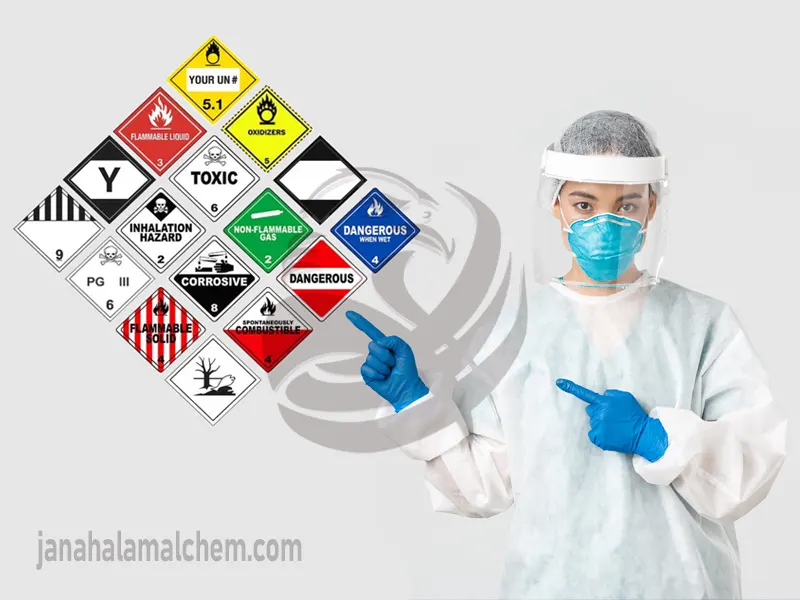
- Label all containers clearly with hazard symbols and material names.
For example, sodium carbonate (soda ash) should be kept in a dry, cool place, away from acids and moisture.
2. Material Safety Data Sheets (MSDS)
An MSDS provides vital information about a chemical’s properties, hazards, and handling instructions. All staff must:
- Have access to updated MSDS documents.
- Be trained to interpret MSDS symbols and sections.
- Know emergency procedures based on MSDS guidelines.
3. Personal Protective Equipment (PPE)
Depending on the chemical, required PPE may include:
- Gloves and goggles
- Respiratory masks
- Chemical-resistant suits
- Eye wash stations
Creating a PPE checklist for each industrial chemical ensures readiness and reduces exposure risk.
4. Spill Containment and Emergency Response
Accidental spills are inevitable. A proper spill response plan includes:
- Emergency kits with neutralizers or absorbents
- Trained staff for first response
- Containment barriers to prevent environmental contamination
- Immediate incident reporting protocols
Compliance: Regulations You Must Follow
Compliance requirements vary by region, but most align with globally recognized standards. Here are some key regulatory frameworks:
1. OSHA (USA) – Occupational Safety and Health Administration
OSHA regulates worker safety, including chemical exposure limits and hazard communication.
2. REACH (EU) – Registration, Evaluation, Authorisation and Restriction of Chemicals
REACH mandates that industrial chemicals used in the EU are registered and assessed for environmental and health risks.
3. GHS (Global) – Globally Harmonized System of Classification and Labelling of Chemicals
GHS sets international standards for labeling, hazard classification, and MSDS formatting.
4. Dubai Municipality – Health and Safety Department (UAE)
Companies in Dubai must adhere to local chemical handling guidelines, which align with international practices but include specific regional compliance points.
Training and Auditing: Core Compliance Tools
Employee Training
- Conduct regular training on handling procedures.
- Use simulations and visual aids to reinforce learning.
- Keep a record of training sessions and certificates.
Regular Safety Audits
- Perform monthly internal audits and annual third-party inspections.
- Review inventory, MSDS logs, and PPE usage.
- Identify and correct non-compliance areas promptly.

Eco-Friendly Chemical Handling
Environmental compliance is becoming a major aspect of chemical management. To reduce ecological impact:
- Recycle containers wherever possible.
- Use biodegradable or low-toxicity alternatives.
- Invest in chemical recycling or recovery systems.
For instance, sodium carbonate can often be recovered from waste streams and reused in water treatment or glass production.
Digital Compliance Tools
Modern software tools help companies manage safety and compliance effortlessly. Look for systems that offer:
- Automated MSDS updates
- Inventory tracking
- Real-time audit reports
- Regulatory change alerts
Using these tools reduces the chance of human error and ensures readiness for surprise inspections.
Role of Distributors and Manufacturers
Manufacturers and distributors of industrial chemicals play a critical role in promoting compliance:
- They must provide accurate labeling and MSDS with each shipment.
- They should offer customer support regarding safe handling.
- Transparency about product origin, composition, and hazards helps buyers stay compliant.
At Janah Alamal Basic Industrial Chemicals, for example, we ensure every shipment comes with clear documentation, including safety labels, batch testing results, and regulatory guidance for sodium carbonate, calcium chloride, and more.
Consequences of Non-Compliance
Ignoring safety and compliance can lead to:
- Injury or loss of life
- Facility closures
- Environmental damage lawsuits
- Permanent business shutdown
The chemical industry has seen major accidents (like Bhopal or Tianjin), which serve as stark reminders of the cost of neglect.
Best Practices Summary
| Safety Area | Best Practice |
|---|---|
| Storage | Use labeled, secure, ventilated spaces |
| Documentation | Keep updated MSDS for all chemicals |
| Training | Regular employee instruction and drills |
| Labeling | Follow GHS-compliant labeling |
| PPE | Provide full protective gear as needed |
| Spill Response | Maintain emergency kits and reporting lines |
| Environmental Care | Use eco-friendly disposal and recycling |
| Auditing | Schedule routine inspections and compliance checks |
Final Thoughts
Safety and compliance are not just legal obligations—they are ethical commitments to your workers, your customers, and the planet. Whether you’re handling a simple salt like sodium carbonate or more reactive substances, the stakes are high, and the standards must be even higher.
By adopting proactive safety practices and staying current with evolving regulations, businesses can not only avoid penalties but also build a culture of trust and responsibility.
Looking for reliable industrial chemicals with complete documentation and support? Explore our product range at www.janahalamalchem.com and ensure your operations meet the highest standards in safety and compliance.

An incredibly thorough guide on chemical safety compliance! This article brilliantly covers risk assessment, PPE selection, and regulatory frameworks like GHS/OSHA. The emergency response section is particularly valuable. Could you elaborate on training best practices for seasonal workers handling hazardous chemicals? Essential reading for EHS professionals!
Thank you, Regulatory Representatives and Manager Association, for your thoughtful comment. Training seasonal workers is indeed a challenge in chemical safety. Best practices include concise orientation sessions before assignment, regular toolbox talks, clear visual aids such as labels and posters, and hands-on demonstrations of PPE and emergency response steps. Providing refreshers and close supervision in the initial weeks also helps ensure safe handling of hazardous chemicals. These measures are essential to maintain compliance and protect workers effectively.
Excellent, comprehensive guide. This clearly outlines why a proactive safety and compliance strategy is non-negotiable. The emphasis on both employee training and rigorous documentation is key for truly mitigating risk in industrial chemical operations. Vital information.
Thank you for your thoughtful feedback. We fully agree that employee training and strong documentation are at the heart of building a safe and compliant chemical industry. Your insight reinforces the importance of taking a proactive approach.