
The UAE has rapidly become a global hub for industrial chemicals, serving industries across the Middle East, Asia, Africa, and Europe. From manufacturing raw materials to water treatment chemicals, fertilizers, and specialty reagents, companies rely on safe, efficient, and compliant shipping solutions. Understanding how to ship industrial chemicals safely is critical to ensure product integrity, regulatory compliance, and environmental safety.
Shipping industrial chemicals involves more than moving products from point A to point B. It requires attention to classification, packaging, transportation modes, documentation, and storage conditions. This article provides a comprehensive guide for UAE-based suppliers and exporters, using real product examples to illustrate best practices.

Why Safe Shipping of Industrial Chemicals Matters
Industrial chemicals can be powders, liquids, granules, or flammable substances. Without proper handling, chemicals like Acetic Acid, Phosphoric Acid, or Sulphur can pose risks including leaks, contamination, or accidents. Safe shipping not only protects employees and the environment but also ensures that products arrive at their destination in optimal condition.
Product Examples:
- Powders: Soda Ash (Light & Dense), Bicarbonate of Soda, Calcium Carbonate 99.0%
- Granules: Sulphur 99.8%, Urea 46.00% N, Urea 99.0% N
- Liquids: Caustic Soda (Liquid), Phosphoric Acid (Liquid ≥99%), Ethanol 99.6%
- Hazardous / Reactive Chemicals: Acetone, Hydrogen Peroxide, Sodium Sulfide
Proper planning is essential to prevent mishaps and ensure compliance with international shipping regulations.
Step 1: Chemical Classification and Hazard Assessment
Correct classification determines packaging, transport mode, and documentation requirements. UAE suppliers must follow UN/IMDG/IATA/ADR regulations for hazardous and non-hazardous chemicals.
Common Classifications:
- Non-Hazardous: Soda Ash (Dense & Light), Sodium Silicate, Sodium Sulphate
- Moderate Hazard: Urea, Calcium Chloride, Sodium Triphosphate
- Hazardous: Acetic Acid, Acetone, Hydrogen Peroxide, Phosphoric Acid, Caustic Soda (Liquid/Flake)
Hazard classification informs:
- Packaging type and materials
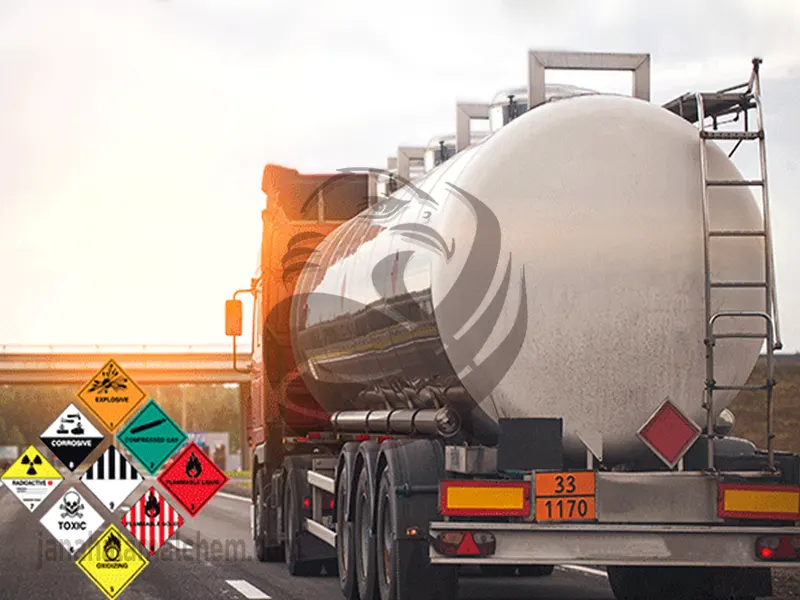
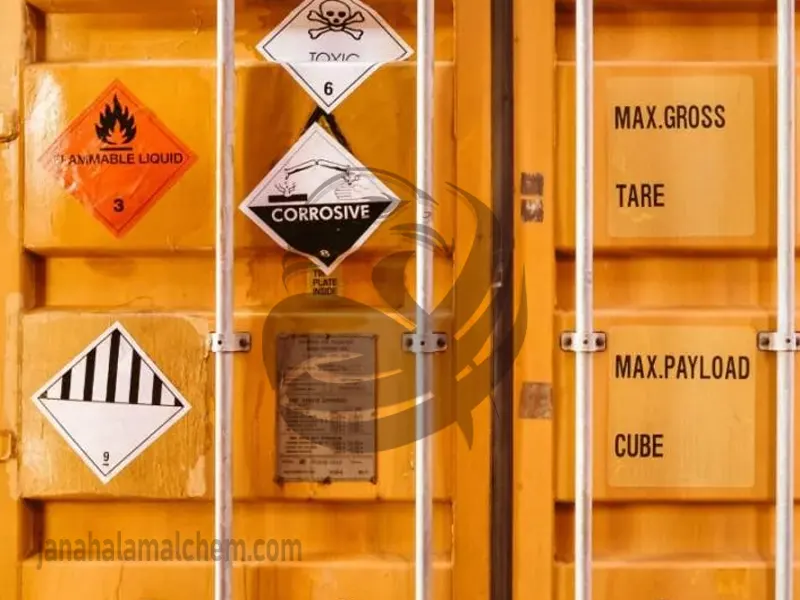
- Required labeling and placarding
- Transport restrictions (air, sea, or land)
Step 2: Packaging Solutions
The right packaging protects chemicals during transit, avoids contamination, and ensures safety. Learn more about smart packaging secrets from UAE suppliers of basic industrial chemicals.
Packaging Types by Product:
- Bags (25–50 kg): Soda Ash, Urea, Sulphur, Calcium Carbonate, Bicarbonate of Soda
- Jumbo Bags (1 MT): Bulk shipments of Urea, Sodium Metasilicate 5H/9H, Sulphur Granules
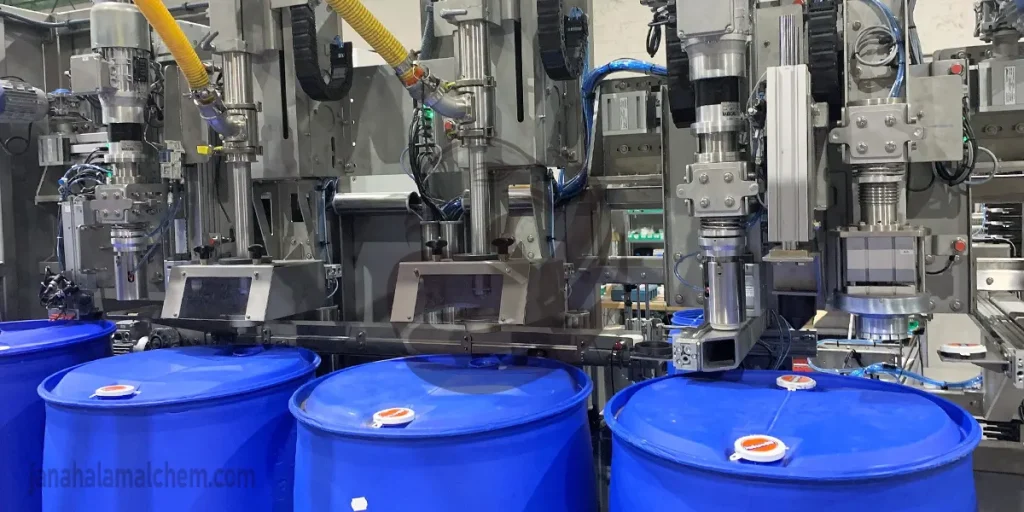
- Drums / IBC Tanks: Caustic Soda (Liquid), Ethanol 99.6%, Hydrogen Peroxide
- Sealed Containers / Liners: Moisture-sensitive products like Calcium Chloride
- Palletized Bags: Phosphoric Acid (Solid 85%), Sodium Silicate
Proper packaging prevents:
- Moisture absorption and caking
- Leakage or spillage
- Chemical reactions during transit
- Environmental contamination
Step 3: Selecting the Right Shipping Method
Choosing the right transport mode depends on chemical type, volume, destination, and urgency.
Sea Freight – Ideal for Bulk Export
UAE ports like Jebel Ali and Khalifa Port are major gateways for industrial chemicals. Sea freight is most economical for large volumes.
Options:
- FCL (Full Container Load): Dedicated container for a single shipment
- LCL (Less than Container Load): Shared container for smaller quantities
- Bulk Shipping: Dry bulk for Sulphur, Soda Ash, or Urea
- ISO Tank Containers: For liquids like Caustic Soda, Acetic Acid, or Ethanol
Land Transport – Regional GCC Distribution
Road transport is commonly used for UAE shipments to Saudi Arabia, Oman, Qatar, Bahrain, and Kuwait.
- Ideal for Urea, Calcium Chloride, Soda Ash, and Sulphur
- Requires adherence to ADR/GCC hazardous goods regulations
- Faster regional delivery with flexible schedules
Air Freight – Fast and Secure
Air freight is best for:
- High-value chemicals like Phosphoric Acid ≥99%
- Urgent shipments of Hydrogen Peroxide or Methanol 99.5%
- Small volumes or samples
Advantages: Speed, reliability, and tracking
Disadvantages: Higher cost, strict hazard restrictions
Rail Freight – Emerging Option
GCC rail networks (like Etihad Rail) are expanding and provide a safer, eco-friendly alternative for chemicals in bulk.
Step 4: Documentation and Regulatory Compliance
Accurate documentation is crucial for smooth customs clearance and safety compliance. Common documents include:
- Commercial Invoice & Packing List
- Certificate of Origin
- Material Safety Data Sheet (SDS)
- Dangerous Goods Declaration (for hazardous chemicals)
- Import/Export Permits
- Bill of Lading / Airway Bill
For instance, shipping Acetone or Caustic Soda (Flake) without SDS or proper hazardous declaration can lead to fines or shipment rejection.
Step 5: Storage and Temperature Control
Certain chemicals are sensitive to temperature, humidity, or light:
- Calcium Chloride – Keep dry to prevent moisture absorption
- Soda Ash (Light/Dense) – Humidity can cause caking
- Sulphur 99.8% (Granule) – Flammable; store in ventilated areas
- Ethanol 99.6%, Methanol 99.5% – Store away from heat or open flames
- Hydrogen Peroxide – Must be stored in a cool, shaded environment
Using ventilated storage, sealed liners, and temperature-controlled containers ensures safety during transit.
Step 6: Cost Optimization Strategies
Efficient chemical shipping balances safety and cost:
- Consolidate shipments for sea freight to reduce FCL/LCL costs
- Use jumbo bags or bulk packaging for large volumes
- Schedule shipments outside peak seasons
- Negotiate long-term freight agreements
- Utilize multimodal transport (sea + land) when cost-effective
Step 7: Partner with Professional Chemical Logistics Providers
UAE-based logistics partners specializing in industrial chemicals offer:
- Hazard classification support
- Packaging and labeling expertise
- Compliance with international regulations
- Customs clearance assistance
- Multimodal transport management
- Insurance coverage for high-risk chemicals
Partnering with experts ensures safe and reliable delivery of products like Soda Ash, Urea, Sulphur, Phosphoric Acid, and Caustic Soda worldwide.
Example Product Shipping Matrix
| Product | Form | Packaging | Recommended Transport |
|---|---|---|---|
| Acetic Acid | Liquid | Drums/ISO Tank | Sea / Air |
| Acetone | Liquid | Drums | Sea / Air |
| Ammonium Bicarbonate | Granule | 25–50 kg Bags | Sea / Land |
| Bicarbonate of Soda | Powder | 25 kg Bags | Sea / Land |
| Calcium Carbonate 99.0% | Powder | Bags / Jumbo Bags | Sea / Land |
| Calcium Chloride | Flakes | Sealed Bags / Drums | Sea / Land |
| Caustic Soda (Flake) | Solid | Bags / Drums | Sea / Land |
| Caustic Soda (Liquid) | Liquid | ISO Tank / Drums | Sea / Air |
| Copper Sulphate | Powder / Granule | Bags | Sea / Land |
| Ethanol 99.6% | Liquid | Drums / ISO Tank | Sea / Air |
| Hydrogen Peroxide | Liquid | Drums / ISO Tank | Sea / Air |
| Methanol 99.5% | Liquid | Drums | Sea / Air |
| Phosphoric Acid (Liquid) ≥99% | Liquid | Drums / ISO Tank | Sea / Air |
| Phosphoric Acid (Solid) 85% | Solid | Bags / Drums | Sea / Land |
| Soda Ash (Dense/Light) | Powder | Bags / Jumbo Bags | Sea / Land |
| Sodium Metasilicate 5H/9H | Powder | Bags / Jumbo Bags | Sea / Land |
| Sodium Silicate | Powder / Liquid | Bags / Drums | Sea / Land / Air |
| Sodium Sulfide | Solid | Bags / Drums | Sea / Land |
| Sodium Sulphate | Powder | Bags / Jumbo Bags | Sea / Land |
| Sodium Triphosphate | Powder | Bags / Jumbo Bags | Sea / Land |
| Sulphur 99.8% (Granule) | Granule | Bags / Bulk | Sea / Land |
| Urea 46.00% N | Granule | Bags / Jumbo Bags | Sea / Land |
FAQ Section: How to Ship Industrial Chemicals Safely
Q1: Can industrial chemicals be shipped by air?
Yes, but only if they meet IATA hazardous material guidelines. Air freight is ideal for urgent, small, or high-value shipments like Hydrogen Peroxide, Methanol, or Phosphoric Acid.
Q2: How should hazardous chemicals be labeled for shipment?
Use UN/IMDG/IATA labels, placards, and SDS documentation. For example, Acetic Acid and Caustic Soda require corrosive labels.
Q3: What packaging is best for moisture-sensitive chemicals?
Use sealed bags, liners, or drums. Calcium Chloride and Soda Ash are prone to moisture, so proper packaging prevents caking or reaction.
Q4: How can UAE exporters reduce shipping costs for chemicals?
Consolidate shipments, use bulk packaging, schedule outside peak seasons, and choose the most cost-effective transport (sea, rail, land).
Q5: Why is professional logistics support important?
Specialized partners ensure regulatory compliance, safe handling, proper documentation, and risk management for products like Urea, Sulphur, and Caustic Soda.
Conclusion
Learning how to ship industrial chemicals safely is vital for UAE-based companies seeking global expansion. From powders like Soda Ash and Bicarbonate of Soda to liquids such as Acetic Acid, Phosphoric Acid, and Ethanol, each chemical has specific handling, packaging, and transport requirements.
By classifying chemicals correctly, using suitable packaging, selecting the right transport mode, following regulatory guidelines, and partnering with professional logistics providers, you can ensure safety, compliance, and cost-efficiency.
Expand your reach safely—deliver your industrial chemicals worldwide with confidence and reliability.
Internal Linking Suggestions: