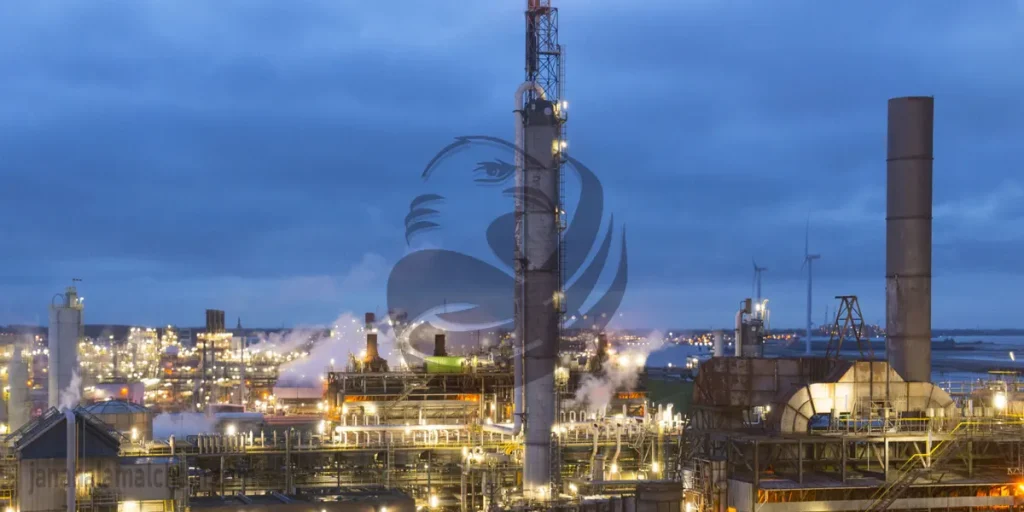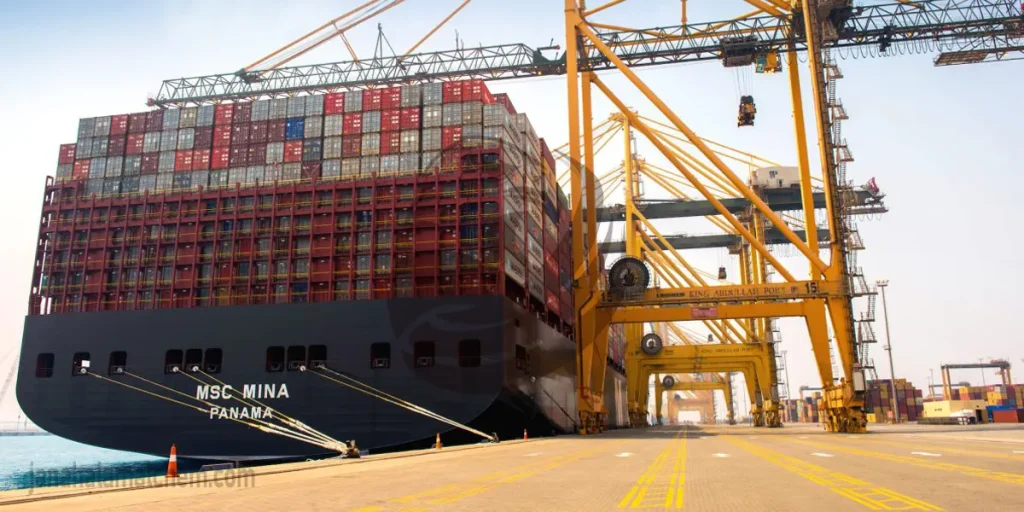

Soda ash, also known as sodium carbonate (Na₂CO₃), is a white, odorless powder that plays a vital role in several industries, including glass manufacturing, detergents, chemicals, water treatment, and paper production. If you are looking for soda ash supplier in UAE, we recommand to read this article.
Its versatility and demand make it an essential material globally, and particularly in rapidly developing markets like the UAE. Whether you’re a business owner looking for raw materials or simply curious about the process behind industrial chemicals, understanding how soda ash is manufacturing gives valuable insight into its importance and availability.
In this article, we’ll explain the manufacturing process of soda ash, its types, and its relevance for industries—especially for those searching for a reliable soda ash supplier in UAE.
What Is Soda Ash?
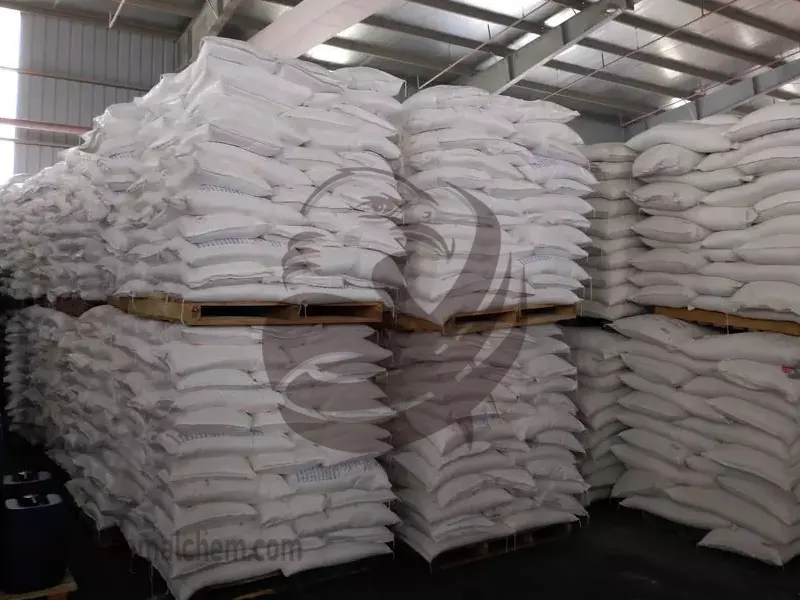
Soda ash is the common name for sodium carbonate, a basic inorganic chemical with the formula Na₂CO₃. It occurs naturally in mineral deposits and can produce synthetically. It has high alkalinity and water solubility, making it useful in chemical processing, glass production, and as a water softener.
There are three main grades of soda ash:
- Dense soda ash: Used in glass manufacturing.
- Light soda ash: Ideal for detergents, soaps, and chemical manufacturing.
- Washing soda: Hydrated form used in household applications.
Now, let’s explore how soda ash is manufacturing.
Natural vs. Synthetic Manufacturing
There are two main methods of soda ash production:
- Mining of natural trona ore
- Synthetic production via the Solvay process
Both methods are widely in use worldwide, depending on natural resources, environmental regulations, and market demand.
1. Manufacturing Soda Ash from Trona Ore
What Is Trona?
Trona is a naturally occurring mineral primarily composed of sodium carbonate, sodium bicarbonate, and water. Major deposits of trona are availabale in the United States (Wyoming), Turkey, and parts of Africa.

The Manufacturing Process
A: Mining
- Trona extracts from underground mines using traditional mining methods like room-and-pillar mining.
- The ore is transporting to the surface for processing.
B: Crushing and Screening
- The raw trona ore crushes into smaller particles to facilitate the refining process.
- Impurities such as silica or clay should not exist.
C: Calcination
- The crushed trona is heating in a kiln to about 150°C–300°C.
- This process removes water and carbon dioxide, converting it into soda ash (sodium carbonate).
D: Purification
- The crude soda ash may undergo further purification to remove any residual impurities depending on the final application.
E: Packaging and Distribution
- The soda ash is dried, packaged, and distributed to various industries.
Benefits of Natural Soda Ash Production:
- Environmentally friendly (uses fewer chemicals).
- Energy-efficient compared to synthetic methods.
- Produces high-purity soda ash with minimal waste.

2. Synthetic Manufacturing: The Solvay Process
What about the regions without natural trona deposits? Therefore, soda ash is producing synthetically using the Solvay process, developed in the 1860s.
Raw Materials
- Salt (NaCl)
- Limestone (CaCO₃)
- Ammonia (NH₃)
- Water and air
The Manufacturing Process
A: Brine Preparation
- Salt is dissolving in water to create a concentrated brine solution.
B: Ammoniation
- Ammonia is adding to the brine, creating an ammoniated brine solution.
C: Carbonation
- Carbon dioxide bubbleing through the ammoniated brine.
- This leads to the formation of sodium bicarbonate (NaHCO₃), which precipitates out.
D: Filtration and Calcination
- Sodium bicarbonate filtered out and heated in a kiln.
- Heating converts it into soda ash (Na₂CO₃), releasing water and carbon dioxide.
E: Recovery of Ammonia
- Remaining solution is treated with lime derived from heating limestone.
- Ammonia is recovered and recycled back into the process, making it more sustainable.
Advantages of the Solvay Process:
- Allows production of soda ash without natural trona deposits.
- Efficient recycling of ammonia reduces waste and cost.
Disadvantages:
- Generates more waste compared to natural methods.
- Higher carbon footprint due to use of fossil fuels and limestone.
Sustainability and Environmental Impact
Today, sustainability plays a crucial role in chemical manufacturing. Natural soda ash production has gained preference over synthetic methods due to its lower environmental impact. As global regulations tighten and industries seek eco-friendlier options, natural soda ash—when available—is the preferred source.
Importance of Soda Ash in the UAE
The UAE is a hub for manufacturing, construction, and industrial processing. As such, soda ash demand is steadily growing. It is especially crucial in:
- Glass manufacturing (used in buildings and automotive sectors)
- Detergent and cleaning products
- Water treatment plants
- Chemical processing and exports
For companies operating in these sectors, finding a reliable soda ash supplier in UAE is essential to maintaining consistent production quality and output.
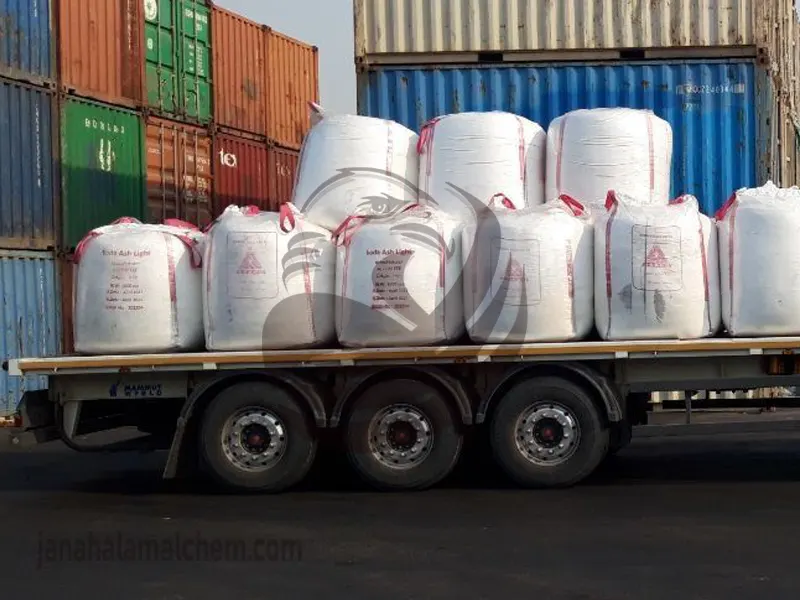
Choosing the Right Soda Ash Supplier in UAE
When selecting a supplier in the UAE, here are key factors to consider:
1. Product Quality
Ensure the supplier provides high-grade soda ash, whether dense or light, depending on your industrial needs.
2. Reliable Logistics
With UAE’s strategic location, timely delivery via road, sea, or air is crucial for uninterrupted operations.
3. Industry Experience
Choose suppliers familiar with local regulations and global sourcing. So, ensuring product compliance and competitive pricing is a matter that all businesses are looking for it.
4. Environmental Standards
Eco-conscious suppliers those adhere to sustainable sourcing and distribution should be prioritize.
Janah Alamal: Your Trusted Soda Ash Supplier in UAE
If you’re seeking a dependable source of industrial-grade soda ash, Janah Alamal Basic Industrial Chemicals Trading L.L.C. offers both quality and reliability. As a registered chemical trading company in Dubai, Janah Alamal sources soda ash from leading producers in Asia and beyond, ensuring top-tier purity and consistency for industrial applications.
Also, With a focus on timely delivery, regulatory compliance, and customer service, Janah Alamal is ready to be a leading soda ash supplier in UAE.
Visit www.janahalamalchem.com to learn more or request a quote.
Conclusion
Soda ash plays an essential role in a wide range of industries and producing either from natural trona deposits or synthetically through the Solvay process. Both methods have unique advantages, but natural soda ash is becoming increasingly preferred for its environmental and economic benefits.
As industries in the UAE continue to expand, the need for a trustworthy soda ash supplier in UAE becomes even more critical. Whether you’re in the glass, detergent, or chemical manufacturing sector, working with a knowledgeable and reliable supplier like Janah Alamal ensures quality, consistency, and sustainability in your operations.