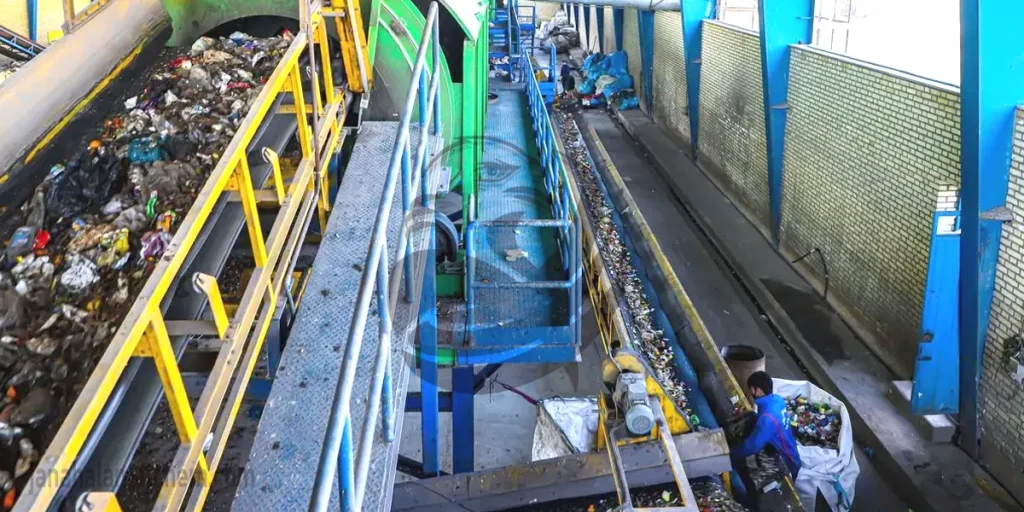

Across global manufacturing sectors, environmental protection and cost efficiency are no longer separate objectives. Today, industries are under pressure to reduce emissions, lower waste, optimize material usage, and comply with tightening environmental regulations—while maintaining profitability. This shift has increased demand for eco-friendly industrial chemical solutions for cost reduction, encouraging factories to adopt cleaner and more efficient processes.
This article explores how modern industries can integrate sustainable approaches using five essential industrial chemicals:
Sulphur Granules (99.8%), Urea Granules N46 (99%), Caustic Soda Liquid (50%), Caustic Soda Flakes (99%), and Acetone Industrial Grade (99%).
Each section features real-world industrial insights showing how these materials help protect the environment and reduce operational costs.

1. Why Eco-Friendly Chemicals Are Now a Business Necessity
The global transition toward greener production is driven by three major factors:
✔ Rising raw material costs
Energy usage, waste disposal, and inefficient chemicals can significantly increase operational expenses.
✔ Environmental regulations
Industries face higher penalties for improper waste handling, air emissions, and water contamination.
✔ Buyer and market expectations
Companies prefer suppliers with sustainable practices, making eco-friendly solutions commercially attractive.
To meet these expectations, manufacturers are optimizing raw materials, adopting higher-purity chemicals, recovering solvents, lowering fuel consumption, and reducing by-product waste.
2. Sulphur Granules (99.8%) — Cleaner Handling and Lower Emissions
Industry Insight: Fertilizer, Petrochemical, Mining, Rubber, Paper
Traditional sulphur powder creates dust, contamination, and energy loss during melting. Switching to Sulphur Granules (99.8%) provides a cleaner, safer, and more economical alternative.
Eco-Friendly Advantages
- Nearly zero dust during handling → protects workers and air quality
- Uniform granule size → reduces melting time and fuel consumption
- Improved storage and transport stability
- Less material loss compared to powdered forms
Real-World Application: Fertilizer Manufacturing Efficiency
A fertilizer plant replaced powdered sulphur with granulated sulphur for sulphur-bentonite blends.
Outcomes:
- Dust emissions reduced by 80%
- Energy usage lowered by 15%
- More accurate sulphur distribution in soil → reduces over-application
- Environmental compliance improved significantly
Cost Reduction Impact
Cleaner handling and reduced material loss supported savings of 7–10% across the supply chain.
3. Urea Granules N46 (99%) — Higher Efficiency with Less Environmental Burden
Industry Insight: Agriculture, Melamine, Resins, Textiles, Adhesives
Urea is widely used, but low-purity or fast-release forms can cause soil damage and nitrogen loss. Urea Granules N46 (99%) deliver high nitrogen with controlled release, making them more eco-efficient.
Eco-Friendly Advantages
- Reduces nitrate leaching into groundwater
- Provides slow-release nitrogen → less environmental stress
- High purity → fewer impurities in resin or melamine production
- Compatible with precision agriculture technologies
Practical Integration: Melamine & Resin Manufacturing
A resin producer implemented high-purity N46 urea to optimize chemical reactions.
Outcomes:
- 15% less energy required in the reaction
- Reduced off-gassing and cleaner by-products
- Smaller amounts of urea required for the same production output
Cost Reduction Impact
Factories reported 12% savings from reduced urea consumption and improved reaction efficiency.

4. Caustic Soda Liquid (50%) — Cleaner Dosing and Lower Waste Generation
Industry Insight: Water Treatment, Textiles, Paper, Detergents, Alumina Refining
Using solid alkalis requires dissolving, filtering, and handling dust—consuming large amounts of water and energy. Caustic Soda Liquid (50%) eliminates many of these steps.
Eco-Friendly Advantages
- Ready-to-use liquid form reduces processing steps
- Zero dust and airborne particles
- Precise dosing → prevents excessive alkalinity
- Cleaner reactions → lower wastewater contamination
Real-World Application: Municipal Water Treatment
A water plant upgraded from lime-based neutralization to caustic soda liquid.
Outcomes:
- Sludge formation reduced by minimum 60%
- Safer handling with improved worker environment
- Less equipment scaling → lower maintenance needs
- Reduced dosing waste
Cost Reduction Impact
Lower sludge disposal and maintenance produced 20–25% annual cost savings.
5. Caustic Soda Flakes (99%) — High-Purity Efficiency for Cleaner Production Lines
Industry Insight: Soap, Pharmaceuticals, Textile Mercerization, Petrochemicals
High-purity Caustic Soda Flakes (99%) offer cleaner reactions with fewer impurities, directly impacting environmental and financial outcomes.
Eco-Friendly Advantages
- Cleaner reactions → less downstream purification
- Lower wastewater load due to fewer contaminants
- Consistent alkalinity → improves production predictability
- Reduces chemical waste in textile and soap processing
Industry Insight: Textile Mercerization Enhancement
A textile factory adopted 99% caustic flakes for its mercerizing units.
Outcomes:
- 20% reduction in chemical use
- 25% less water consumed for washing and neutralizing
- Reduced production defects → less textile waste
Cost Reduction Impact
Wastewater treatment charges decreased by 18%, improving sustainability and profitability.
6. Acetone Industrial Grade (99%) — Low-Toxicity Solvent with High Recyclability
Industry Insight: Paints, Pharmaceuticals, Plastics, Rubber, Adhesives
Acetone is already one of the most environmentally friendly organic solvents due to its low toxicity and biodegradability. When used efficiently, it significantly enhances both sustainability and cost management.
Eco-Friendly Advantages
- Fast evaporation reduces energy needed for drying
- Low environmental toxicity compared to chlorinated solvents
- Easy solvent recovery through distillation
- Ideal cleaning agent for minimizing chemical waste
Real-World Application: Solvent Recycling in Paint Manufacturing
A coatings manufacturer invested in an acetone recovery system for tank and pipeline cleaning.
Outcomes:
- 70% of acetone recycled and reused
- Hazardous waste significantly reduced
- Safer working conditions with fewer harmful vapors
- Improved cleaning quality and equipment lifespan
Cost Reduction Impact
Solvent purchases dropped by 40–50%, delivering one of the highest savings among all chemicals.

7. Cross-Industry Sustainable Strategies Enabled by These Chemicals
These chemicals support a wider movement toward cleaner industrial operations. Key strategies include:
A. Precision dosing systems
Reduces over-application of urea, caustic soda, and sulphur.
B. Solvent recovery units
Particularly for acetone, reducing waste and new purchase volumes.
C. Wastewater optimization
High-purity caustic soda reduces sludge and treatment costs.
D. Low-dust, high-purity raw materials
Such as sulphur granules, improving handling and reducing losses.
E. Energy-efficient chemical reactions
High-purity materials reduce unnecessary heating and processing.
8. Environmental & Cost Benefits Summary
| Chemical | Eco-Friendly Benefit | Cost Savings |
|---|---|---|
| Sulphur Granules 99.8% | Low dust, faster melting | 7–10% |
| Urea N46 Granules 99% | Less runoff, efficient nitrogen | 12% |
| Caustic Soda Liquid 50% | Lower sludge, cleaner dilution | 20–25% |
| Caustic Soda Flakes 99% | Cleaner wastewater | 18% |
| Acetone 99% Industrial | Recyclable solvent | 40–50% |
Conclusion
Industries around the world are increasingly adopting eco-friendly industrial chemical solutions for cost reduction. In the next article read more about chemicals for industrial recycling. The integration of high-purity, efficient materials such as sulphur granules, urea N46, caustic soda (liquid and flakes), and acetone supports cleaner operations, reduces waste, and improves long-term profitability. By optimizing chemical consumption and implementing smarter production systems, manufacturers can achieve both environmental stewardship and financial advantage—two goals that were once considered incompatible. Our insight about “Right Industrial Chemicals Supplier” seems informative for you. Read and share us your feedback.