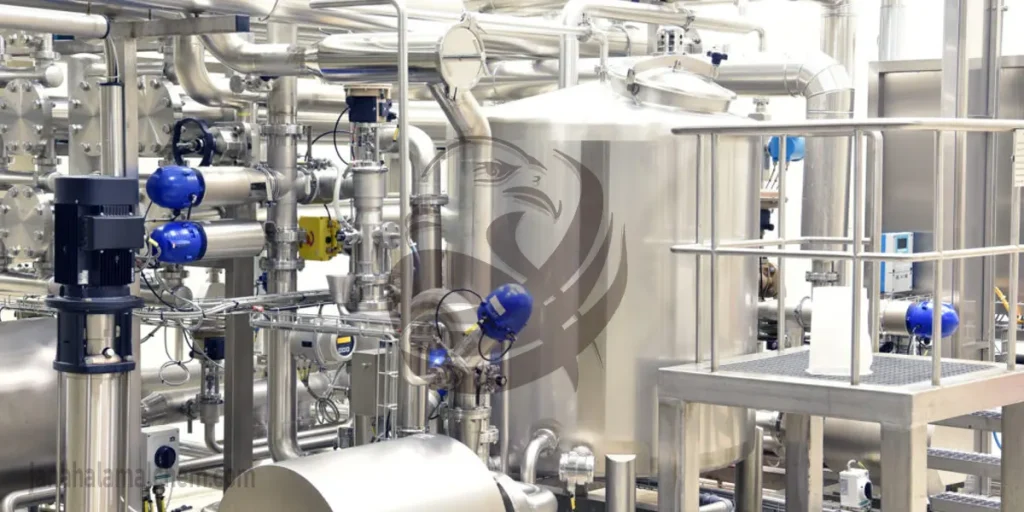

In the industrial sector, chemicals play a pivotal role in manufacturing, from enhancing production processes to enabling high-quality end products. Among the most commonly used chemicals are Acetone, Caustic Soda, and Acetic Acid. While these substances are indispensable in many industrial processes, their handling, storage, and use require strict adherence to safety protocols. Chemical safety in manufacturing is not just a regulatory requirement—it is a critical practice to protect workers, equipment, and the environment.

Understanding Key Industrial Chemicals
Acetone Industrial Grade
Acetone is a highly flammable solvent used widely in chemical manufacturing, pharmaceuticals, and paint industries. Its properties make it a versatile ingredient, but its volatility demands careful handling. Improper storage or exposure can lead to fire hazards, respiratory issues, and skin irritation. Using Acetone Industrial Grade from reliable suppliers ensures purity and consistent quality, reducing unexpected risks during manufacturing.
Caustic Soda Liquid (50%)
Caustic Soda (Sodium Hydroxide) is a strong alkaline compound used in the production of detergents, paper, and textiles. The 50% liquid form is especially reactive and can cause severe chemical burns on contact with skin or eyes. Caustic Soda Liquid (50%) must be handled with extreme caution, using protective gear such as gloves, goggles, and face shields. Understanding its reactivity with other chemicals is crucial to avoid hazardous reactions.
Acetic Acid
Acetic Acid is a colorless liquid with a pungent odor, widely used in the manufacture of synthetic fibers, food preservatives, and chemicals. Although less caustic than sodium hydroxide, acetic acid can cause irritation to skin, eyes, and the respiratory system. Proper ventilation and storage in corrosion-resistant containers are essential to maintaining safety during production.
Why Chemical Safety in Manufacturing Matters
Safety is a cornerstone of any industrial operation. The importance of chemical safety in manufacturing extends beyond regulatory compliance:
- Protecting Workers: Exposure to chemicals like acetone, caustic soda, and acetic acid can lead to serious health issues including burns, respiratory problems, and long-term illnesses.
- Preventing Accidents: Improper storage or mixing of chemicals can result in fires, explosions, or toxic releases.
- Maintaining Equipment Integrity: Corrosive chemicals can damage machinery, leading to costly repairs or downtime.
- Environmental Responsibility: Safe chemical practices prevent spills and contamination, supporting sustainable manufacturing processes.

Key Practices for Safe Chemical Handling
1. Storage and Labeling
Correct storage is vital to prevent accidents. Chemicals must be stored according to their hazard classification:
- Flammable substances like acetone should be kept in fireproof cabinets.
- Caustic soda must be stored away from acids to avoid violent reactions.
- Acetic acid should be kept in corrosion-resistant containers.
Labeling all chemicals clearly ensures workers are aware of potential risks and can respond appropriately in emergencies.
2. Personal Protective Equipment (PPE)
Providing workers with proper PPE is non-negotiable:
- Acid-resistant gloves and aprons for caustic soda
- Goggles and respirators for acetone
- Ventilated lab coats for acetic acid
3. Training and Standard Operating Procedures (SOPs)
A robust training program ensures all employees handling chemicals follow SOPs covering:
- Correct storage and handling procedures
- Emergency response for spills, leaks, or exposures
- Proper disposal of chemical waste
Regular drills and updates on safety standards help maintain a culture of safety.
4. Equipment and Facility Safety
Ensuring manufacturing equipment is compatible with chemicals reduces risk of reactions. Facilities should also include:
- Fire extinguishers rated for chemical fires
- Spill containment kits
- Emergency eyewash and shower stations
5. Monitoring and Compliance
Regular monitoring of chemical levels, exposure rates, and storage conditions is essential. Compliance with local and international safety standards (OSHA, ISO, GHS) ensures chemical safety in manufacturing is consistently maintained.

Integrating Safety with Production Efficiency
Safety enhances productivity. By adopting standardized chemical safety protocols, manufacturers can:
- Reduce downtime caused by accidents or spills
- Lower costs related to health issues and equipment damage
- Improve employee confidence and efficiency
Reliable suppliers like Urea Granules N46 (99%) and Sulphur Granules (99.8%) provide chemicals that meet strict safety and purity standards, further supporting safe manufacturing practices.
Emergency Response Planning
Even with strict safety protocols, emergencies can happen. Key elements of an emergency plan include:
- Clear evacuation plans and routes
- Access to first-aid kits and chemical neutralizers
- Employee training on handling chemical burns or inhalation exposure
Prepared facilities can respond swiftly, minimizing harm to personnel and equipment.
Regulatory Considerations
Manufacturers must follow local, regional, and international regulations for chemical use:
- Maintain documentation and safety data sheets (SDS)
- Ensure proper labeling of chemicals
- Comply with safe disposal of hazardous waste
Following these guidelines demonstrates responsibility and builds trust with clients, partners, and regulatory authorities.
Conclusion
Ensuring chemical safety in manufacturing is a continuous commitment. Chemicals like Acetone, Caustic Soda, and Acetic Acid offer tremendous industrial benefits but must be used responsibly. By implementing:
- Proper storage and labeling
- PPE usage
- Employee training and SOPs
- Equipment safety
- Monitoring and compliance
- Emergency preparedness
manufacturers can maintain a safe, efficient, and compliant production environment.
For high-quality chemicals that meet strict safety standards, explore:
By integrating safety and compliance into every step of manufacturing, operations can thrive securely and sustainably.