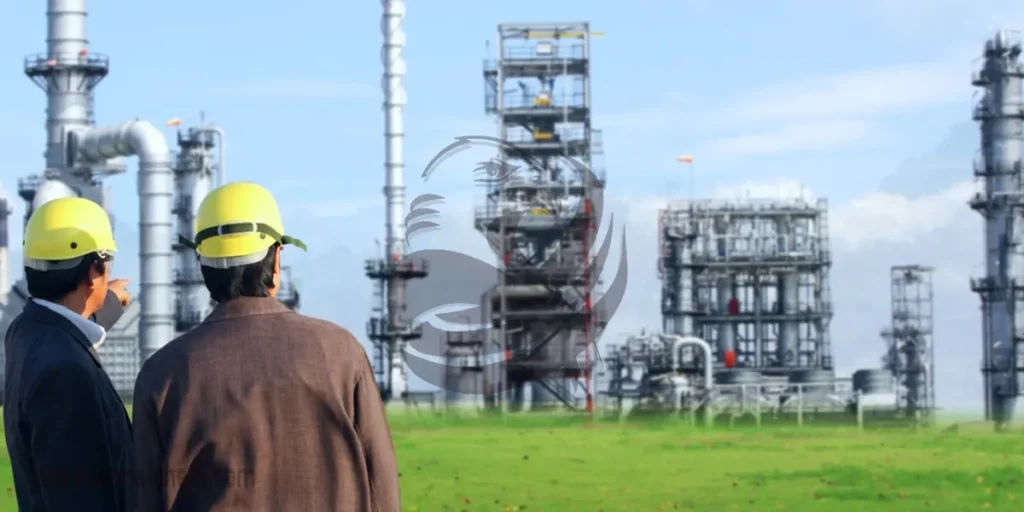

Recycling and waste reduction are no longer optional practices—they are now essential strategies for protecting natural resources, lowering industrial costs, and meeting global environmental regulations. Whether in manufacturing, mining, textiles, energy, or food production, industries depend on advanced chemical solutions to clean wastewater, neutralize contaminants, enhance material recovery, and reduce the overall environmental footprint.
Today, some of the most widely demanded chemicals for industrial recycling include oxidizers, alkalis, pH regulators, and compounds used for coagulation, disinfection, and contaminant removal. Each chemical plays a unique role in converting waste into reusable forms or ensuring safe disposal through treatment processes.
This article explores the top chemicals for industrial recycling, focusing on how key products such as Hydrogen Peroxide (35%), Soda Ash Light (99.2%), Sodium Metasilicate (5-hydrate), Sodium Bicarbonate (99.5%), Caustic Soda Liquid (50%), and Copper Sulphate (99.5%) are used in modern recycling systems. These chemicals support industries by improving wastewater quality, reducing solid waste, enabling resource recovery, and protecting ecosystems.
Why Chemicals Are Critical in Industrial Recycling
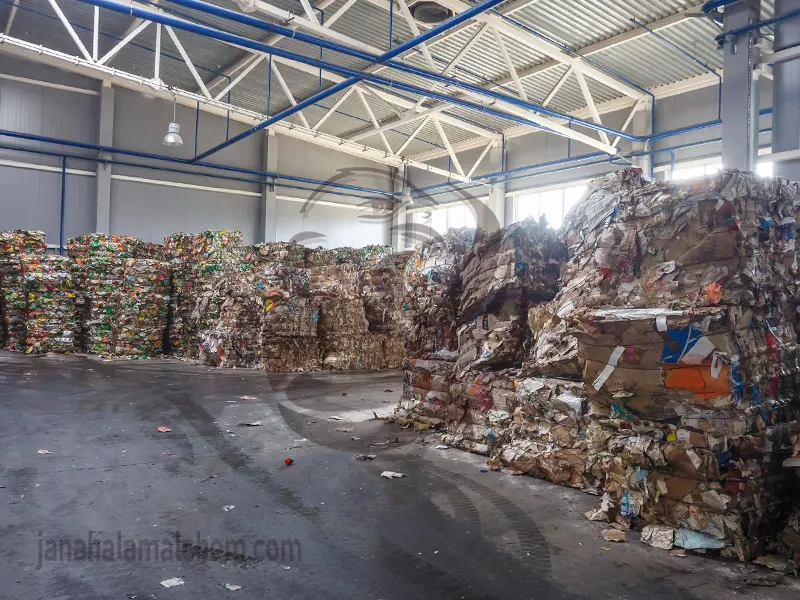
Industrial waste is often complex and contaminated with organic matter, heavy metals, oils, dyes, chemicals, and suspended solids. Mechanical filtration alone cannot complete the purification process.
Chemicals play a vital role by:
- Breaking down harmful pollutants
- Oxidizing organic waste
- Adjusting pH levels
- Neutralizing acids or alkalis
- Helping suspended solids settle
- Supporting biological treatment
- Allowing materials like metals and fibers to be reused
- Improving the efficiency of recycling equipment
This combination of chemical and mechanical processes results in cleaner water, safer waste handling, higher recovery rates, and reduced operational costs.
1. Hydrogen Peroxide (35%) – A Powerful Oxidizer for Clean Water and Safe Waste
Hydrogen Peroxide (35%) is one of the most essential chemicals for industrial recycling due to its powerful oxidative properties. It is widely used in industries that require clean, treated water or need to break down hazardous pollutants.
How It Is Used in Recycling and Waste Treatment
- Wastewater Oxidation: Hydrogen peroxide breaks down organic pollutants, dyes, and chemical residues in water, making it suitable for reuse or discharge.
- Sludge Reduction: It helps reduce the volume of sludge in wastewater treatment plants by accelerating decomposition.
- Odor Control: By oxidizing sulfur compounds and organic waste, it eliminates foul odors in industrial waste streams.
- Eco-Friendly Disinfection: It serves as a safer alternative to chlorine, leaving behind only water and oxygen as byproducts.
Industries benefiting from Hydrogen Peroxide include textiles, paper, food processing, oil refineries, and chemical manufacturing.
2. Soda Ash (Sodium Carbonate – “Soda Ash Light 99.2%”) – The Key pH Regulator
Soda Ash Light 99.2% is a widely used alkaline compound that plays a major role in water treatment, neutralization, and material recovery operations.
How It Supports Recycling Processes
- pH Adjustment: Many industrial wastes are acidic; Soda Ash quickly raises the pH to optimal levels for coagulation and metal precipitation.
- Water Softening: It removes calcium and magnesium ions from wastewater, improving water quality for reuse.
- Neutralization of Hazardous Waste: Helps convert harmful acidic waste into safer materials for disposal or recycling.
- Glass & Paper Recycling: Soda Ash is essential in reprocessing glass and paper by helping remove ink, coatings, and impurities.
Its high purity (99.2%) ensures efficiency and consistent performance in large-scale systems.
3. Sodium Metasilicate (5-Hydrate) – Industrial Cleaner and Coagulation Enhancer
Sodium Metasilicate (5-hydrate) is a versatile alkaline salt used in cleaning, degreasing, and water treatment operations.
Uses in Industrial Recycling
- Equipment Cleaning: Essential for removing heavy oils, greases, and contaminants from recycling machines, tanks, and pipelines.
- Wastewater Coagulation: When added to wastewater, it helps suspended solids clump together, making them easier to filter out.
- Neutralizing Acids: It stabilizes acidic waste streams and prepares them for safe discharge.
- Detergent Manufacturing for Recycling Plants: Helps create alkaline cleaning agents used inside recycling facilities.
Its ability to improve both cleaning and water treatment makes it valuable in metal recycling, textile recycling, plastics processing, and machinery recovery yards.
4. Sodium Bicarbonate (99.5%) – Safe Neutralization and Emission Control
Sodium Bicarbonate 99.5% is a mild alkaline compound known for its buffering capacity and environmental safety.
Role in Waste Reduction and Recycling
- Neutralization and Emission Control: Prevents corrosion and allows acidic waste to be reused or safely processed.
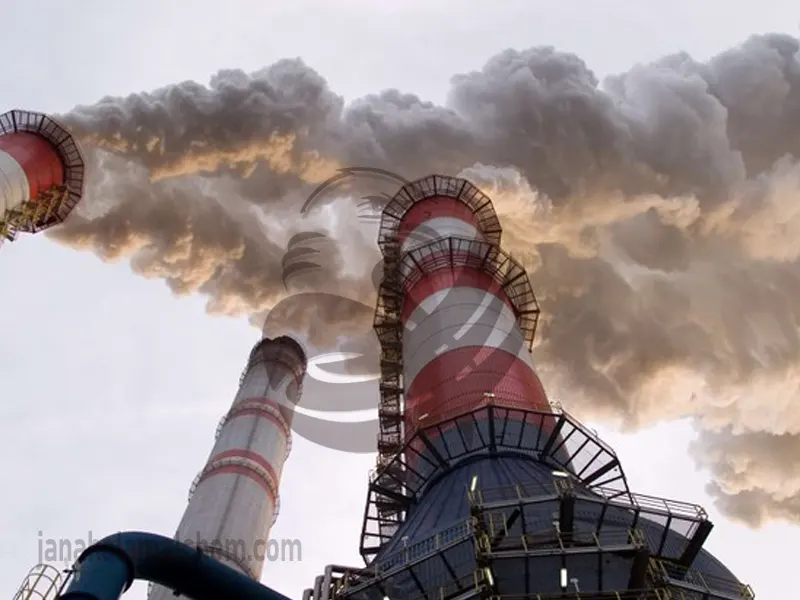
- Flue Gas Treatment: Controls sulfur dioxide and acidic gases during waste incineration, reducing air pollution.
- Enhancing Biological Treatment: Its buffering action supports microorganisms that break down organic waste in biological treatment plants.
- Cleaning Purposes: Effective in removing deposits and residues without damaging equipment.
This makes Sodium Bicarbonate especially useful in food processing industries, waste-to-energy plants, and environmental recycling facilities.
5. Caustic Soda Liquid (50% NaOH) – A Core Chemical for Wastewater and Material Recovery
Caustic Soda Liquid 50% is one of the strongest and most widely used chemicals in industrial recycling due to its powerful alkalinity and versatility.
Applications in Recycling and Waste Reduction
- Neutralizing Acids: It adjusts pH levels to facilitate precipitation of heavy metals and contaminants.
- Oil & Grease Removal: Helps dissolve oils and fats in wastewater from food, petroleum, and manufacturing industries.
- Paper & Textile Recycling: Used to strip inks, dyes, and coatings during fiber recovery processes.
- Regeneration of Ion Exchange Resins: Supports water recycling systems by restoring resin beds used to treat industrial water.
This makes Caustic Soda one of the highest-demand chemicals across environmental and recycling markets.
6. Copper Sulphate (99.5%) – Contaminant Control in Water Recycling
Although widely known for agricultural applications, Copper Sulphate 99.5% also plays a useful role in industrial water treatment and recycling.
How It Works in Waste and Water Systems
- Algae Control: Prevents algal growth in industrial cooling towers, recycled water tanks, and treatment ponds.
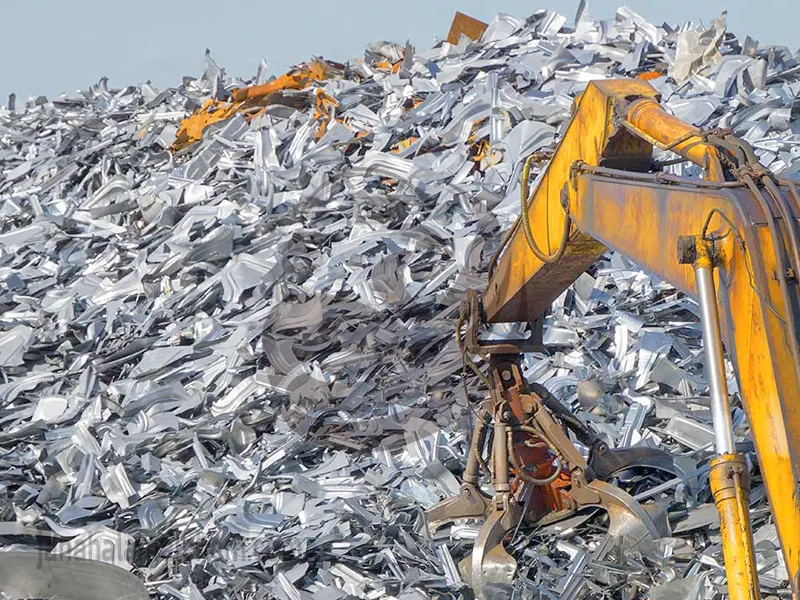
- Metal Recovery: Used in certain hydrometallurgical processes to recover and separate valuable metals.
- Coagulation Aid: Helps clarify wastewater by assisting in the removal of suspended solids.
- Antimicrobial Properties: Controls bacteria and fungi in recycled water systems.
Its high purity ensures consistent performance in industrial treatment systems.
Conclusion: Choosing the Right Chemicals for Industrial Recycling
The transition toward sustainable production requires reliable chemical solutions that support waste reduction, water reuse, and contamination control.
The key chemicals for industrial recycling include:
- Hydrogen Peroxide (35%) – Oxidation & sludge reduction
- Soda Ash Light (99.2%) – pH regulation & softening
- Sodium Metasilicate (5-hydrate) – Coagulation & cleaning
- Sodium Bicarbonate (99.5%) – Neutralization & emission control
- Caustic Soda Liquid (50%) – Alkalinity, cleaning & fiber recovery
- Copper Sulphate (99.5%) – Algae control & metal separation
When used correctly, these chemicals help industries reduce waste, recycle valuable resources, meet environmental regulations, and lower operational costs—creating a more sustainable and efficient industrial future.