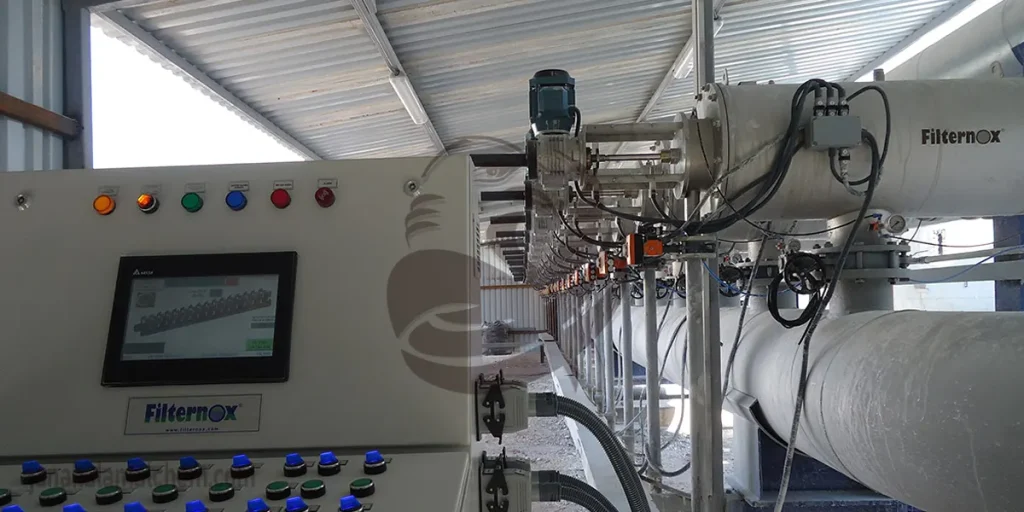

Sulphur is one of the most important basic industrial chemicals used across the globe. So knowing about sulphur granules uses is vital. It has shaped industries for centuries, with applications ranging from fertilizers and pharmaceuticals to detergents and explosives. While sulphur was historically mined directly from volcanic regions, modern manufacturing techniques rely primarily on advanced recovery processes that make sulphur production more efficient and environmentally sustainable.
In this article, we will explore how sulphur is manufactured, how it is processed into granules, and why sulphur granules uses are critical in agriculture, chemical manufacturing, and many other industrial sectors.
The Importance of Sulphur in Industry
Sulphur plays a fundamental role as a raw material in the production of countless basic industrial chemicals. One of the most notable products derived from sulphur is sulphuric acid, often referred to as the “king of chemicals” due to its wide use in fertilizers, mineral processing, batteries, and detergents. Without sulphur, many industries would face serious limitations in production capacity and efficiency.
Beyond sulphuric acid, sulphur is used directly or indirectly in making rubber products, bleaching agents, cosmetics, and pharmaceuticals. Its ability to act as a reducing agent, vulcanizing agent, and soil conditioner gives it a wide-ranging industrial footprint.
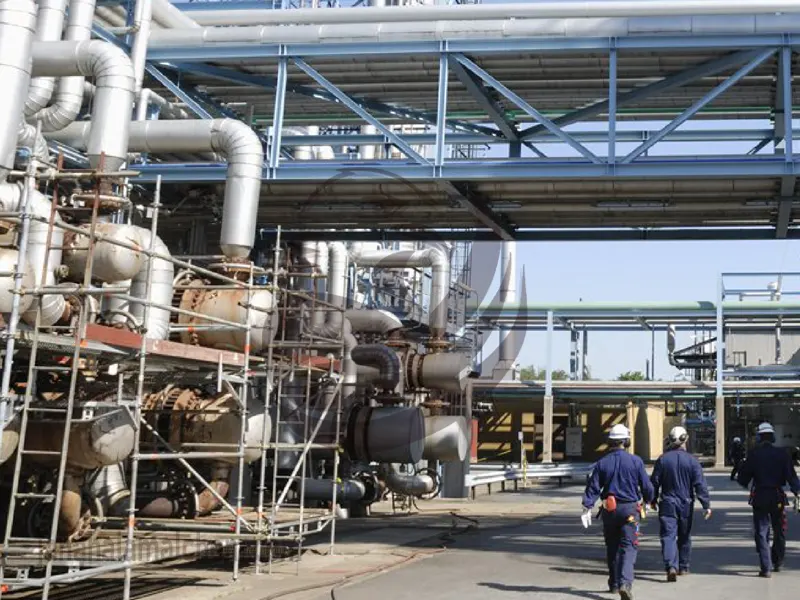
Sources of Sulphur
Sulphur can be obtained from several sources. Furthermore, each of which has played an important role in the global supply chain:
1. Natural Sulphur Deposits
For centuries, sulphur was mined from volcanic regions such as Sicily and parts of the United States. Although less common today, this method remains in use where geological conditions allow. The mined sulphur is refined and purified before entering industrial supply chains.
2. Sulphur Recovery from Oil & Gas
Today, the majority of sulphur comes as a byproduct of oil and natural gas refining. Fossil fuels naturally contain sulphur compounds, and these must be removed to reduce air pollution and meet strict environmental regulations. Modern recovery methods not only prevent harmful emissions but also provide industries with large quantities of elemental sulphur.
3. Metal Smelting
Another source of sulphur is non-ferrous metal smelting. During the roasting of sulphide ores such as zinc, copper, and nickel, sulphur dioxide is released. This can be captured and converted into usable sulphur through chemical processes.
The Claus Process: A Modern Solution
The most widely used method for sulphur recovery today is the Claus process, which converts hydrogen sulfide (H₂S) into elemental sulphur. This method dominates the industry because of its efficiency and ability to minimize harmful emissions.
The process involves:
- Gas Collection – Hydrogen sulfide-rich gas is separated from natural gas or refinery streams.
- Partial Combustion – Around one-third of the hydrogen sulfide is burned to produce sulphur dioxide (SO₂).
- Reaction Stage – The remaining hydrogen sulfide reacts with sulphur dioxide in the presence of a catalyst, yielding elemental sulphur.
- Condensation – The resulting molten sulphur is cooled and collected.
The Claus process not only generates high-purity sulphur but also aligns with global sustainability goals by reducing atmospheric pollution.

From Molten Sulphur to Granules
Once sulphur is recovered in molten form, it should transform into a form that is easier to store, transport, and apply in industries. This is where granulation plays a key role.
Granulation Process
- Cooling – Molten sulphur is cooled to initiate solidification.
- Granulation – Methods such as rotating drum granulation or spray granulation are used to create uniformly sized granules. In these systems, molten sulphur is sprayed onto solid particles to build up layers until spherical granules are formed.
- Drying and Screening – The granules are dried to remove excess moisture and screened to ensure consistency in size.
This transformation is crucial because sulphur granules are more stable, less dusty, and safer to handle compared to powdered sulphur. For industries handling large shipments, granulated sulphur ensures efficiency and safety.
Sulphur Granules Uses Across Industries
The applications of sulphur granules are vast and continue to expand as new technologies emerge. Some of the most significant sulphur granules uses include:
1. Agriculture and Fertilizers
Sulphur is an essential nutrient for plant growth, particularly for oilseed crops like canola and pulses. In agriculture, sulphur granules improve soil health, increase crop yield, and assist in nitrogen fixation. They are also is using for manufacturing ammonium sulphate and other fertilizer formulations.
2. Production of Sulphuric Acid
Sulphur granules are the primary feedstock for sulphuric acid production, which remains one of the most important basic industrial chemicals worldwide. Sulphuric acid is widely in use in fertilizer production, mineral processing, water treatment, and countless other industrial applications.
3. Rubber Industry
In rubber manufacturing, sulphur plays a vital role in the vulcanization process, which strengthens rubber and enhances its elasticity. From tires to industrial seals, sulphur ensures that rubber products meet durability standards.
4. Pharmaceutical Applications
Sulphur has medicinal value as well. Not only skin ointments, antimicrobial agents, and pharmaceutical formulations use sulphur granules as an active ingredient. Its antibacterial and antifungal properties have been known for centuries.
5. Chemical and Industrial Products
Beyond sulphuric acid, sulphur granules are using in making detergents, matches, explosives. Also, even in water treatment. As one of the core basic industrial chemicals, sulphur’s versatility cannot be overstated.
Environmental Benefits of Sulphur Recovery
One of the hidden advantages of sulphur manufacturing today is its role in environmental protection. Instead of being released into the atmosphere as harmful gases, sulphur compounds are captured, converted, and recycled into useful products.
By converting hydrogen sulfide and sulphur dioxide into solid elemental sulphur, the oil, gas, and metal industries not only comply with global emissions standards but also contribute to a more sustainable chemical supply chain.
The Global Market and Trade
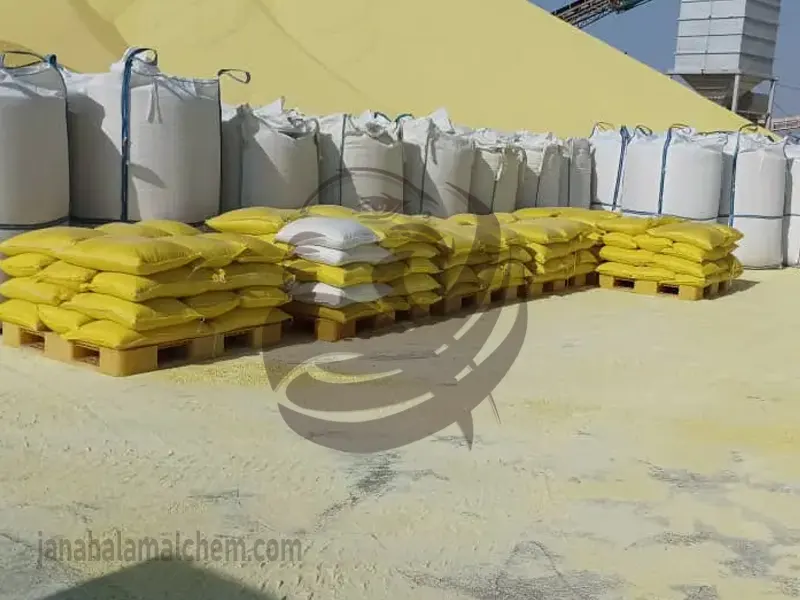
With rising demand for fertilizers, energy, and basic industrial chemicals, the global market for sulphur granules continues to expand. Countries in the Middle East, such as the UAE, play a strategic role in supplying sulphur to Asia, Africa, and Europe due to their oil and gas refining capacities.
Companies like Janah Alamal Basic Industrial Chemicals Trading L.L.C., based in Dubai, focus on sourcing and exporting high-quality sulphur granules to meet the growing global demand. This trade not only supports industrial development but also strengthens international supply chains.
Conclusion
The manufacturing of sulphur has evolved from traditional mining to advanced recovery processes such as the Claus process, which ensures high-purity production while protecting the environment. Once converted into granules, sulphur becomes easier to handle and finds applications across agriculture, rubber production, pharmaceuticals, and chemical manufacturing.
As industries continue to innovate, the importance of sulphur as one of the key basic industrial chemicals will only grow. Understanding both its manufacturing process and the broad scope of sulphur granules uses provides valuable insight into how this element powers global industries and supports sustainable development.