Introduction
The Middle East has long been a vital hub for global trade, leveraging its strategic location between Asia, Europe, and Africa. While the region is traditionally known for its oil and gas reserves, a growing segment of its trade economy now revolves around import and export industrial chemicals. These chemicals—ranging from basic raw materials to specialized compounds—play a critical role in manufacturing, construction, agriculture, water treatment, and many other sectors.
Companies like Janah Alamal Basic Industrial Chemicals contribute to this growing market by supplying a diverse portfolio, including Soda Ash Light (99.2%), Caustic Soda (flakes and liquid 50%), Sodium Bicarbonate, Sulfur, Sodium Sulfate, Industrial Resins & Compounds, and other essential chemical salts.
Over the past decade, demand for these products in the Middle East has been driven by infrastructure growth, diversification strategies, and rapid industrialization. This article explores the regional demand trends, key industries driving consumption, major supplier countries, and the future outlook for the import and export industrial chemicals sector.

1. Overview of the Middle East Industrial Chemical Market
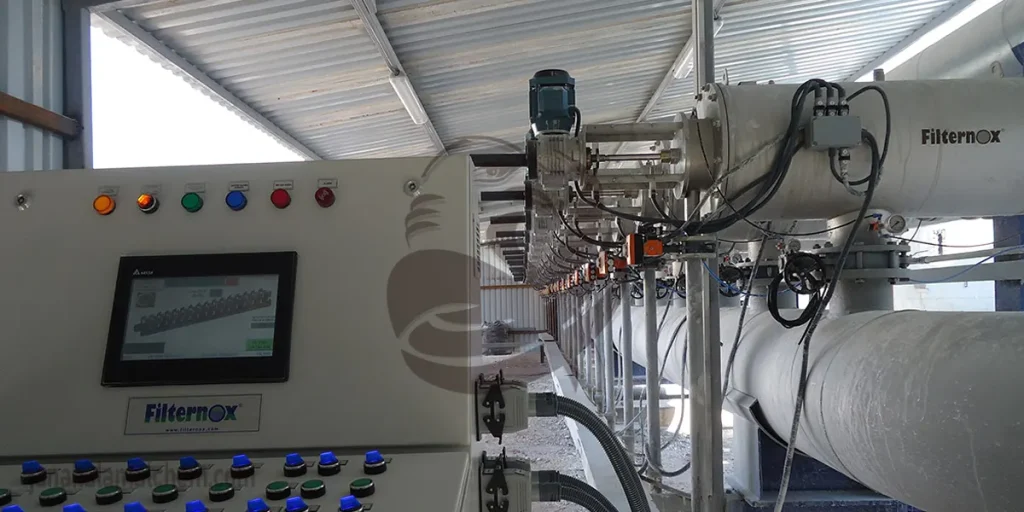
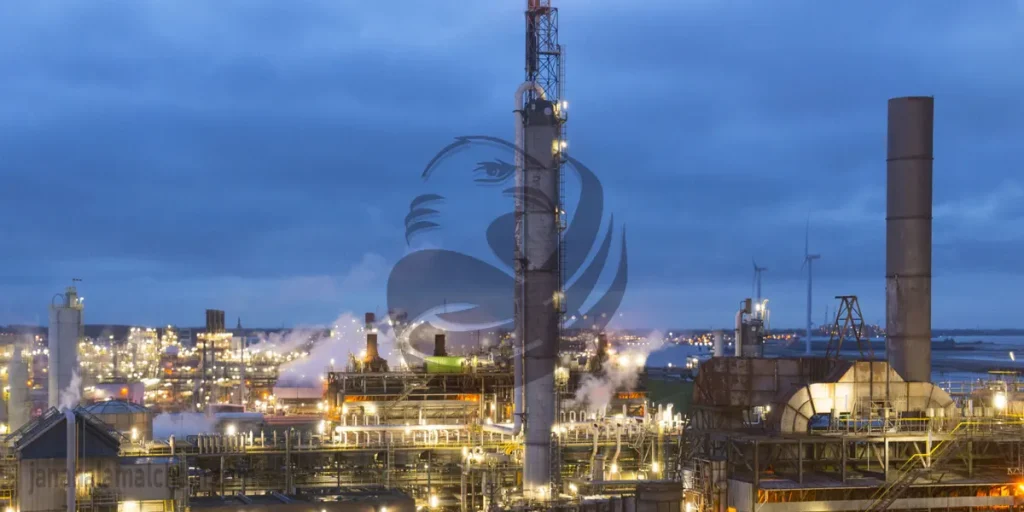
The Middle East’s chemical industry is part of a global supply chain worth trillions of dollars annually. While the region produces a significant portion of petrochemical-based products, it also imports industrial chemicals to meet the needs of expanding industries such as:
- Construction (cement additives, sealants, resins) — products like industrial resins and compounds from Janah Alamal are essential for producing durable coatings and adhesives.
- Water and wastewater treatment (coagulants, flocculants, disinfectants) — chemicals like Soda Ash Light and Caustic Soda help regulate pH and soften water.
- Food processing (preservatives, flavoring agents, cleaning chemicals) — Sodium Bicarbonate is widely used as a leavening and cleaning agent.
- Agriculture (fertilizers, pesticides, soil enhancers) — Sulfur is a critical nutrient for crops and soil conditioning.
- Manufacturing (plastics, paints, adhesives, lubricants) — Sodium Sulfate supports detergent production and textile processing.
The balance between domestic production and import dependency varies by chemical type. While petrochemical derivatives are often produced locally, specialty chemicals and certain industrial-grade compounds are largely imported.
2. Key Regional Demand Trends
2.1 Infrastructure Development and Mega Projects
Countries such as the United Arab Emirates, Saudi Arabia, and Qatar have heavily invested in infrastructure as part of their national development visions (e.g., Saudi Vision 2030, UAE Centennial 2071).
These projects require massive amounts of construction chemicals, including industrial resins for concrete coatings, Sodium Carbonate for glass production, and Caustic Soda for certain processing needs—products that companies like Janah Alamal provide through their import network.
2.2 Water Scarcity and Desalination
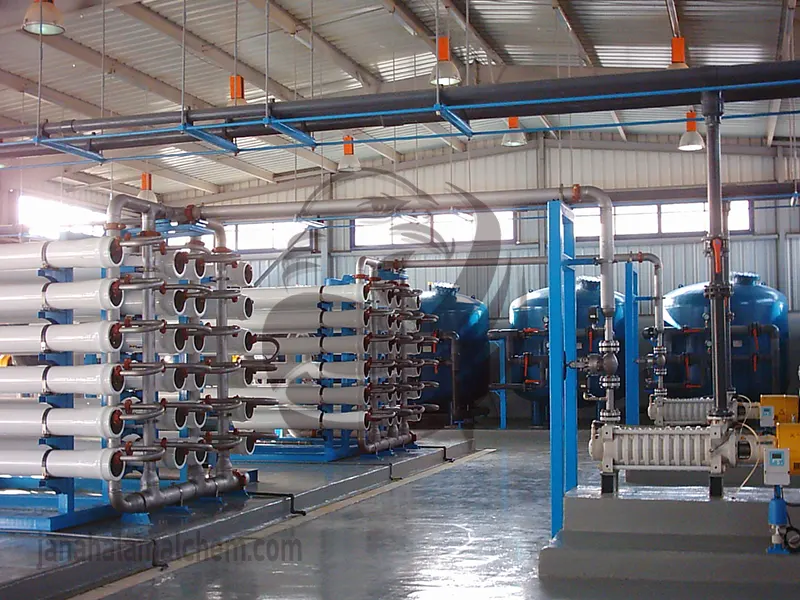
Water scarcity is a significant challenge in the Middle East. Desalination plants and wastewater treatment facilities rely heavily on Soda Ash Light, Caustic Soda, and Sodium Carbonate to adjust pH levels and prevent scaling in pipelines. The technical quality required for these applications often means they are imported from specialized manufacturers abroad.
2.3 Industrial Diversification
With oil dependency posing long-term economic risks, Middle Eastern economies are diversifying into manufacturing, pharmaceuticals, and renewable energy. This shift drives the import and export industrial chemicals trade, as new sectors require unique compounds not traditionally produced in the region—such as high-grade industrial resins, specialty salts, and Sodium Sulfate for detergent and textile manufacturing.
2.4 Agricultural Needs
Agriculture in the Middle East depends on soil conditioners, crop nutrients, and pest control solutions. Sulfur, supplied by companies like Janah Alamal, is essential for producing fertilizers and improving crop yields. Combined with imported pesticides and micronutrient blends, these products form a vital part of the agricultural supply chain.
3. Top Importing Countries in the Middle East
While all Middle Eastern nations engage in industrial chemical trade, the largest importers include:
- United Arab Emirates (UAE): A major re-export hub, importing products like Soda Ash Light, Caustic Soda, and Sulfur for local consumption and redistribution.
- Saudi Arabia: While a chemical manufacturing powerhouse, it still imports specialty chemicals such as industrial resins and Sodium Sulfate for detergent and textile sectors.
- Oman and Bahrain: Import significant quantities of chemical salts for industrial use and infrastructure projects.
- Qatar: Imports high-grade construction resins and Sodium Carbonate for glass and cement industries.
4. Major Exporters to the Middle East
Countries supplying industrial chemicals to the region include:
- India: A growing supplier of bulk chemicals like Soda Ash Light, Caustic Soda, and Sulfur.
- China: A leading exporter of cost-effective bulk Sodium Bicarbonate, Sodium Sulfate, and chemical salts.
- European Union: Known for high-quality industrial resins and specialty compounds used in manufacturing.
- United States: Supplies specialty chemicals and high-purity resins for oil & gas and water treatment sectors.
5. The Role of Re-Exporting Hubs
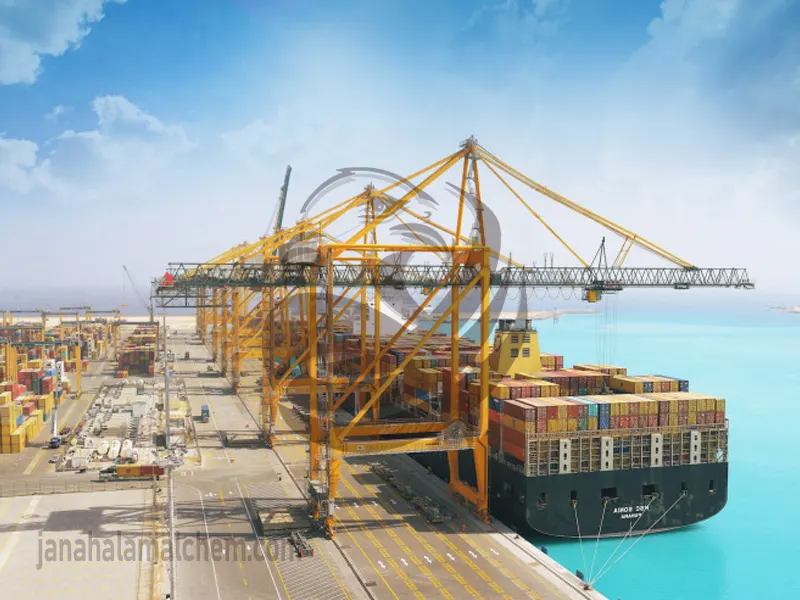
The UAE—particularly Dubai—serves as a re-export hub for industrial chemicals. Importers bring in bulk shipments, store them in free zones, and then re-export to Africa, South Asia, and other Middle Eastern countries. Products like Soda Ash Light, Sulfur, and Caustic Soda often pass through Dubai’s warehouses before reaching their final destinations.
6. Regulatory and Safety Considerations
Importing and exporting chemicals in the Middle East is subject to strict regulations, including:
- Compliance with international safety standards (GHS, REACH)
- Proper labeling and documentation for hazardous materials
- Registration of certain chemicals with local environmental agencies
- Special permits for chemicals considered dual-use or potentially hazardous
For example, chemicals like Caustic Soda and Sulfur require specific handling protocols to ensure safety during transport and storage.
7. Future Outlook
7.1 Increasing Demand for Specialty Chemicals
As manufacturing and high-tech industries expand, demand for eco-friendly industrial resins, biodegradable solvents, and high-purity salts will rise.
7.2 Digital Supply Chain Management
AI-driven systems will streamline the import and export industrial chemicals process, enabling better inventory tracking for products like Soda Ash Light and Sodium Bicarbonate.
7.3 Regional Production Expansion
Some countries are investing in local production facilities for basic chemicals like Sodium Carbonate and Sodium Sulfate to reduce import dependency.
7.4 Sustainability Trends
Environmental regulations will push demand for green chemicals and safer alternatives to traditional industrial compounds.

8. Opportunities for Businesses
The Middle East presents multiple opportunities for chemical traders, including:
- Supplying high-demand specialty chemicals not produced locally, such as industrial resins and specialty salts.
- Leveraging UAE free zones for re-export trade of bulk chemicals like Caustic Soda and Soda Ash Light.
- Providing Sulfur and Sodium Carbonate for ongoing mega projects in agriculture and construction.
- Offering eco-friendly and sustainable alternatives to meet upcoming regulations.
Conclusion
The Middle East’s demand for industrial chemicals is set to grow steadily over the coming years, fueled by infrastructure expansion, water treatment needs, industrial diversification, and agricultural initiatives. Businesses involved in import and export industrial chemicals—such as Janah Alamal Basic Industrial Chemicals—will find significant opportunities if they align with regional trends, adapt to regulatory changes, and provide value-added services.
With a well-curated portfolio including Soda Ash Light, Caustic Soda, Sodium Bicarbonate, Sulfur, Sodium Sulfate, Industrial Resins, and specialty chemical salts, Janah Alamal is well-positioned to serve both domestic and international markets. As global supply chains evolve, the Middle East will remain a strategic market and logistics hub—positioning itself not just as a consumer, but also as a competitive exporter of industrial chemicals in the near future.