

Discover the growing importance and evolving trends of basic industrial chemicals in today’s manufacturing and production sectors. Learn how these essential compounds are shaping global industries.
Introduction
In the vast and complex world of manufacturing, construction, agriculture, and many other industries, basic industrial chemicals play a vital role. These chemicals form the backbone of countless products and processes, often functioning behind the scenes yet remaining indispensable.
As global markets evolve and sustainability becomes a major concern, the demand for basic industrial chemicals continues to grow, driven by technological advancements, eco-friendly innovation, and increased industrial activity—especially in developing regions. This article explores the trend of basic industrial chemicals, their significance, popular categories, global market dynamics, and what businesses need to know in 2025 and beyond.
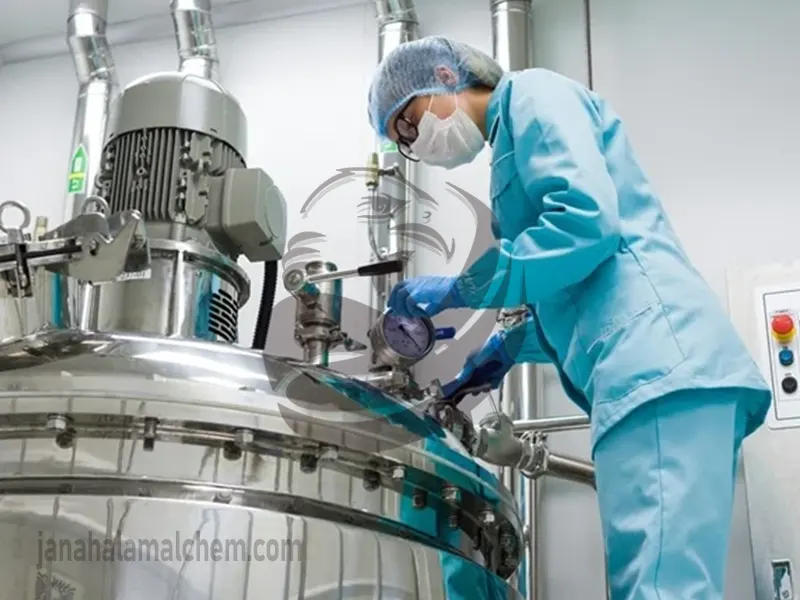
What Are Basic Industrial Chemicals?
Basic industrial chemicals are compounds produced in large volumes to support a wide range of industries. Unlike specialty chemicals, which are designed for specific applications, basic chemicals are more generic and form the building blocks for other chemical products and materials.
These include:
- Inorganic chemicals (e.g., sulfuric acid, sodium carbonate, chlorine)
- Organic chemicals (e.g., ethylene, methanol, benzene)
- Acids, salts, alkalis, and solvents
- Bulk resins and polymers
They are essential for sectors like:
- Manufacturing
- Water treatment
- Agriculture
- Pharmaceuticals
- Construction
- Mining
- Automotive
- Textile production
The Growing Trend of Basic Industrial Chemicals in 2025
1. Increased Demand from Emerging Economies
As countries in Asia, the Middle East, and Africa continue to industrialize, the demand for basic industrial chemicals is soaring. Countries like India, China, Indonesia, and the UAE are investing heavily in infrastructure, manufacturing, and energy projects, all of which require a steady supply of core chemical materials.
2. Sustainability and Green Chemistry
One of the most significant shifts in the chemical industry is the push for sustainable production. Environmentally friendly versions of basic chemicals, such as green hydrogen or biodegradable solvents, are in development or early stages of deployment.
Industries are seeking low-carbon alternatives to traditional compounds, reducing waste and emissions while maintaining product quality.
3. Digitalization and Smart Manufacturing
The chemical industry is adopting digital technologies, including AI, IoT, and big data analytics, to improve operational efficiency. Smart manufacturing helps companies:
- Predict demand
- Optimize inventory
- Reduce costs
- Improve safety standards
4. Strategic Reshoring and Supply Chain Diversification
The global disruptions caused by events like the COVID-19 pandemic and geopolitical tensions have highlighted the vulnerability of centralized supply chains. Many nations are now diversifying their sourcing of basic industrial chemicals or reshoring manufacturing to ensure a reliable supply.
5. Middle East as a Strategic Hub
The Middle East, especially the UAE and Saudi Arabia, is becoming a strategic center for chemical trading due to its logistics infrastructure, port access, and business-friendly regulations. Dubai, in particular, has emerged as a key hub for importing, storing, and re-exporting basic industrial chemicals to African, Asian, and European markets.
Popular Categories of Basic Industrial Chemicals in Demand
Here are some of the most in-demand categories and their typical applications:
1. Sodium Carbonate (Soda Ash)
- Use: Glass manufacturing, detergents, water treatment
- Trend: High demand due to increasing urban development and water purification projects
2. Sulfuric Acid
- Use: Fertilizers, battery production, metal processing
- Trend: Rising use in EV batteries and mining industries
3. Calcium Carbonate
- Use: Construction, plastics, paints, paper
- Trend: Popular in construction and environmental remediation
4. Acetic Acid
- Use: Solvents, adhesives, food preservatives
- Trend: Widely used in industrial packaging and textiles
5. Hydrogen Peroxide
- Use: Disinfectants, bleaching, pharmaceuticals
- Trend: Surge in demand post-pandemic for sanitization and cleaning products
Market Insights: Global Trends and Forecast
According to industry reports, the global basic industrial chemicals market is expected to surpass USD 800 billion by 2030, growing at a compound annual growth rate (CAGR) of 4–6%.
Key drivers:
- Rapid industrialization in Asia and Africa
- Technological advancements in chemical processing
- Shifts toward bio-based and sustainable chemicals
- Growing infrastructure and construction sectors
Top exporting countries:
- China
- Germany
- United States
- India
Top importing regions:
- Middle East
- Africa
- Latin America
- Eastern Europe

Safety and Compliance: A Top Priority
With the handling of basic industrial chemicals, safety is non-negotiable. Regulatory authorities worldwide are enforcing stricter safety, labeling, and transportation standards. Traders and manufacturers must comply with:
- REACH (Europe)
- GHS (Globally Harmonized System)
- OSHA (USA)
- Dubai Municipality Hazardous Materials Rules
Proper training, storage, and transportation practices help prevent environmental contamination and workplace hazards.
Why Businesses Should Care About Basic Industrial Chemicals
If you’re in manufacturing, construction, logistics, agriculture, or even tech industries, understanding your supply chain’s chemical base is vital.
Partnering with reliable suppliers and distributors of basic industrial chemicals ensures:
- Consistent product quality
- Regulatory compliance
- Lower operational costs
- Scalable production
Companies like Janah Alamal Basic Industrial Chemicals Trading L.L.C. in Dubai are helping bridge the gap between producers and industrial end-users by sourcing, storing, and distributing high-quality bulk chemicals efficiently.
Best Practices for Sourcing and Trading Basic Industrial Chemicals
Choose Certified Suppliers
Always work with manufacturers or traders with ISO and regulatory certifications. It ensures the product is tested and safely handled.
Verify Chemical Specifications
Ensure the correct CAS numbers, purity levels, and MSDS (Material Safety Data Sheets) are provided before purchase.
Understand Storage Needs
Some chemicals are corrosive, flammable, or temperature-sensitive. Ask suppliers for proper packaging and storage advice.
Explore Local Warehousing
Consider working with companies that offer local warehousing in strategic hubs like Dubai, minimizing delays and import duties.

Final Thoughts
Basic industrial chemicals might not grab headlines, but they are the silent powerhouses that keep modern industry moving. As new technologies emerge and global industries transform, the demand for these chemicals will only increase.
By staying informed about market trends, ensuring regulatory compliance, and forming the right partnerships, businesses can thrive in the evolving world of chemical trade.
Key Takeaways:
- Basic industrial chemicals are essential for multiple industries globally.
- Emerging markets and green innovation are driving demand.
- Strategic hubs like Dubai play a key role in global chemical trade.
- Compliance, safety, and sourcing reliability are essential for success.
Want to source high-quality basic industrial chemicals in the UAE or across Asia and Africa?
Partner with Janah Alamal Basic Industrial Chemicals Trading L.L.C., your trusted gateway to reliable chemical supplies for a stronger industrial future.


Excellent overview of how basic industrial chemicals drive modern manufacturing! Your analysis of market trends and applications in sectors like agriculture and pharmaceuticals is spot-on. How do you see sustainability initiatives impacting production of these foundational chemicals? Crucial insights for industry professionals!
Thank you, Chemsortia, for your insightful feedback. Sustainability is already reshaping the production of basic industrial chemicals through cleaner technologies, renewable energy use, and stricter environmental standards. We believe these initiatives not only reduce environmental impact but also open new opportunities for innovation and efficiency across agriculture, pharmaceuticals, and other sectors. It’s an exciting shift that will define the future of our industry.
Insightful post! Basic industrial chemicals are truly the unsung heroes powering modern manufacturing across sectors. From plastics to pharmaceuticals, their rising demand underscores the need for sustainable sourcing, robust supply chains, and innovation in production. Well articulated!
Dear GPC Gateway, thank you for your thoughtful comment. The points you mentioned are very comprehensive. In addition, we believe that environmental considerations are one of the most important aspects all industries should pay close attention to. Together, by prioritizing sustainability, we can work toward a better future for both industry and the environment.